


The global diabetes crisis is accelerating at an alarming rate. According to data from JAMA Network, approximately 1 in 3 US adults has prediabetes or diabetes. Prediabetes represents a vital metabolic turning point. It is a loud warning sign from the body that often goes completely unnoticed because people either dismiss the subtle changes or skip routine medical evaluations entirely.
Identifying metabolic shifts during the prediabetic phase provides a rare, highly effective window of opportunity to halt disease progression. Through targeted intervention and proactive clinical support from Rural Health Network, this condition can be entirely turned around before evolving into a lifelong chronic illness. In this blog, we will elaborate more on these lines.
What is Prediabetes?
Prediabetes is characterized by blood sugar levels that are higher than normal but not yet high enough to qualify as Type 2 diabetes. It is a warning sign that your pancreas is starting to struggle to produce enough insulin. The ranges are listed below –
- Normal: Fasting glucose 70–99 mg/dL
- Prediabetes: Fasting glucose 100–125 mg/dL
- Type 2 Diabetes: Fasting glucose 126 mg/dL or higher
Detecting prediabetes early offers a valuable chance to reverse it through lifestyle changes, empowering you to take control of your health.
Symptoms of Prediabetes
Many people have prediabetes symptoms without realizing it. Common signs include:
- Increased thirst and frequent urination
- Fatigue or feeling unusually tired
- Blurred vision
- Slow-healing cuts or wounds
- Tingling, numbness, or pain in hands and feet
- Dark, velvety skin patches (acanthosis nigricans)
- Unexplained weight changes
If you notice several signs of prediabetes, it’s time to get checked.
Causes for Prediabetes
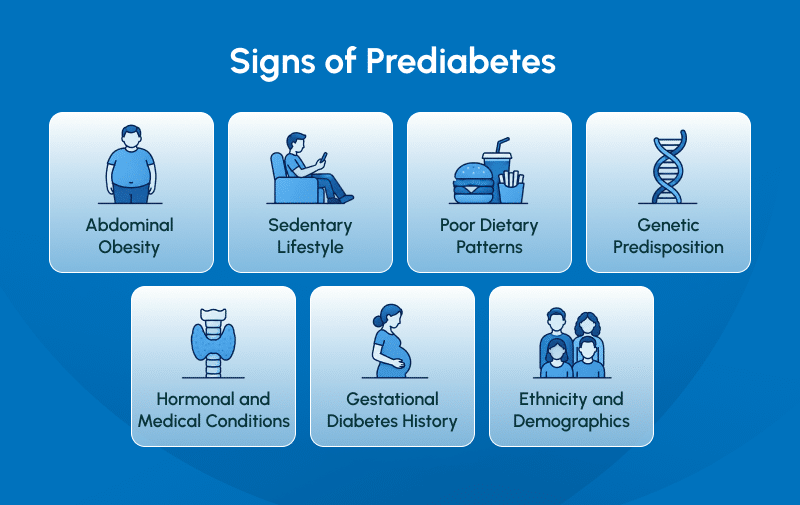
While the precise genetic trigger for prediabetes continues to be researched, epidemiologists have identified clear lifestyle and biological links that drive insulin resistance. The primary causes and risk factors include:
Abdominal Obesity
Carrying excess weight, particularly visceral fat centered around the abdomen, releases inflammatory chemicals that disrupt insulin signaling.
Sedentary Lifestyle
A lack of physical activity reduces the muscles’ demand for glucose, causing the body to become less responsive to natural insulin.
Poor Dietary Patterns
Consuming high volumes of processed foods, refined carbohydrates, and sugary beverages places a constant, heavy glycemic load on the pancreas.
Genetic Predisposition
Having a first-degree relative (a parent or sibling) with a history of Type 2 diabetes significantly raises an individual’s baseline risk.
Hormonal and Medical Conditions
Diagnoses such as Polycystic Ovary Syndrome (PCOS), chronic hypertension, or abnormal lipid/cholesterol profiles are strongly correlated with metabolic dysfunction.
Gestational Diabetes History
Women who develop elevated blood sugar levels during pregnancy face a much higher probability of developing prediabetes later in life. As a precaution, they’re advised to follow a prediabetes diet.
Ethnicity and Demographics
Statistical data highlights that South Asian, Black, Hispanic/Latino, and Native American communities experience disproportionately higher rates of prediabetes due to combined socioeconomic and genetic factors.
How is Prediabetes Diagnosed?
On the basis of prediabetes symptoms, diagnosis is straightforward and involves one of three standard blood tests:
| Test | Method | Prediabetes Range |
|---|---|---|
| Fasting Plasma Glucose | Blood draw after an 8–10 hr fast | 100 – 125 mg/dL |
| Oral Glucose Tolerance (OGTT) | Blood draw 2 hrs after sugary drink | 140 – 199 mg/dL |
| Hemoglobin A1c | Average blood sugar over 2–3 months | 5.7% – 6.4% |
MedlinePlus recommends screening for overweight adults aged 35 and above, even without symptoms. If your results are normal but you have risk factors, retesting every 1 to 3 years is recommended. If you are already in the prediabetes range, annual monitoring is the standard. Getting tested is an essential health screening to stay on top of any of the risk factors above that apply to you.
Can Prediabetes be Treated?
Yes, prediabetes can absolutely be treated, and in many cases, reversed. Treatment focuses on:
- Lifestyle modifications
- Regular monitoring
- Preventive care through family medicine
- Medical support when needed
Early treatment can prevent serious complications and reduce your risk of developing diabetes.
Can You Reverse Prediabetes?
Without treatment, prediabetes can progress to Type 2 diabetes, increasing the risk of serious complications such as heart disease, kidney damage, and nerve problems. Understanding these risks emphasizes the importance of early intervention and lifestyle changes.
What Lifestyle Changes Can Help Reverse Control?

The absolute first line of defense to reverse prediabetes involves modifying daily habits to relieve pressure on the pancreas. Here’s what works best:
- Prediabetes Diet: Focus on whole foods, fiber, lean proteins, and healthy fats. Reduce sugary drinks, refined carbs, and processed foods. The plate method (½ vegetables, ¼ protein, ¼ whole grains) is a simple, effective guide.
- Regular Physical Activity: Aim for 150 minutes of moderate exercise per week. This includes walking, gardening, or farm work.
- Weight Management: Even modest weight loss makes a big difference.
- Better Sleep & Stress Management: Poor sleep and chronic stress worsen insulin resistance.
- Quit Smoking: Smoking increases diabetes risk.
What Medications are Used to Treat Prediabetes?
While lifestyle updates form the bedrock of treatment, some individuals may require targeted prediabetes medication if their blood sugar levels fail to improve through diet and exercise alone. The most common first-line prescription is Metformin. Metformin works by reducing the amount of glucose the liver releases into the bloodstream while simultaneously helping peripheral muscle tissues absorb insulin more effectively. Depending on an individual’s overall health profile, physicians may also prescribe additional medications to manage accompanying conditions such as elevated blood pressure or high cholesterol, helping protect the cardiovascular system from long-term strain.
How Long Does it Take to Reverse Prediabetes?
There is no universal timeline. Some people see meaningful improvements in blood sugar within a few months of consistent lifestyle changes. For others, it takes longer. What matters more than speed is consistency. A blood sugar level trending in the right direction over two years is more meaningful than a dramatic drop that does not hold. Regular A1c testing during your wellness exams with your family medicine provider is the best way to track real progress over time.
When Should I Get Screened for Potential Health Issues?
You should consider screening if you:
- Are over 35 years old
- Are you overweight or inactive
- Have a family history of diabetes
- Experience symptoms like fatigue or frequent urination
Routine screenings through family medicine and preventive care services help detect issues early.
Final Thoughts
Prediabetes is like being at a crossroads. If it is left unchecked, it leads to Type 2 diabetes and serious complications like heart disease and nerve damage. However, with the right knowledge and support, reversing prediabetes is a clear, achievable path. You don’t have to do it alone. At Rural Health Network, Inc., we are here to help you every step of the way. Whether you need a routine wellness exam or even intensive chronic care management, identifying health issues early gives you a chance to turn things around before it’s too late.