

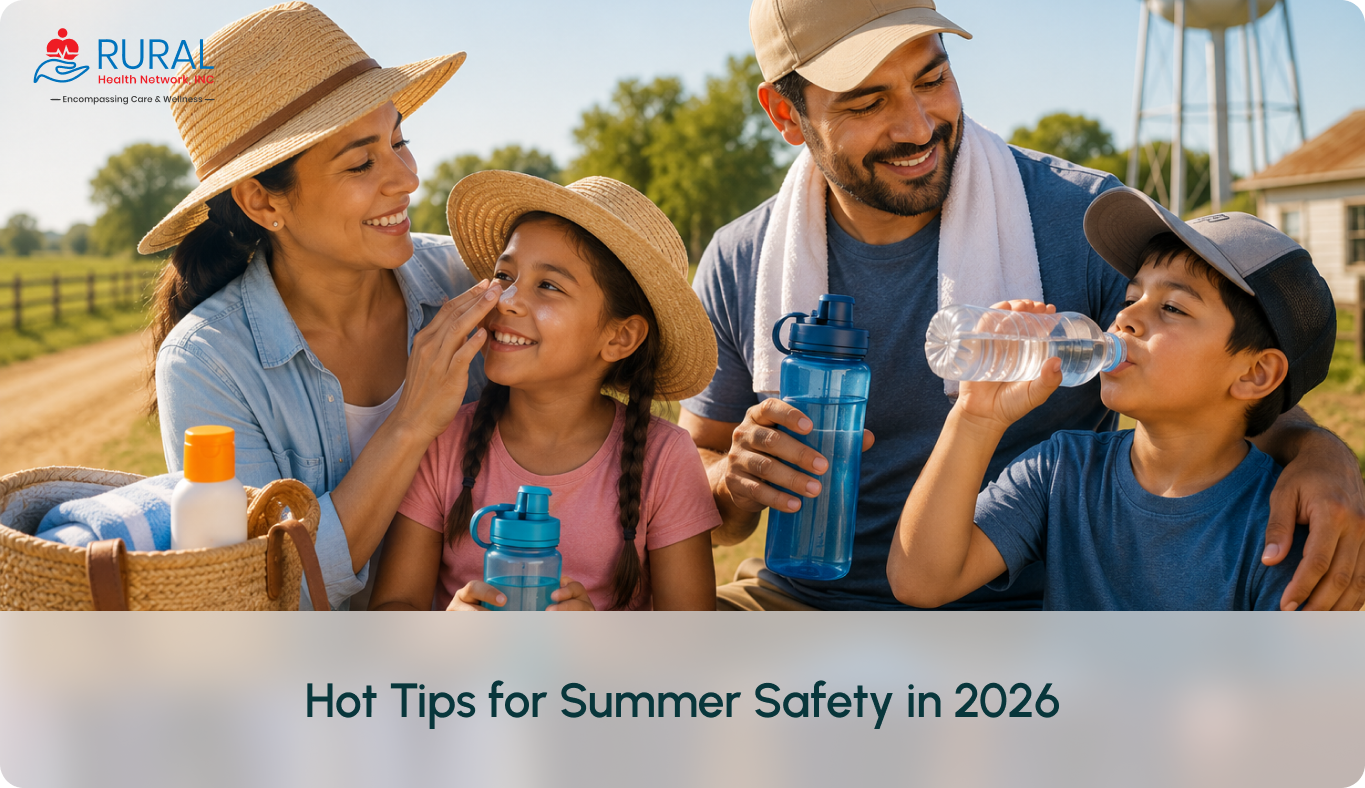
Forecasters are already calling 2026 one of the hottest summers the U.S. has seen in years. Spring came in warmer than usual across much of the country, and that’s usually a sign of what’s ahead: longer heat waves, heavier humidity, and more days where stepping outside feels like opening an oven door.
None of that means canceling your summer plans. It just means paying a little more attention to the basic summer safety tips before your next beach trip, backyard barbecue, or family vacation, so you can stay safe during extreme heat conditions in 2026.
Why This Matters More Than You’d Think
High heat brings real health risks on its own. On top of that, a handful of illnesses tend to spike once temperatures climb across the country.
Every year, doctors see a fairly predictable list of summer complaints:
- Heat exhaustion
- Heat stroke
- Dehydration
- Sunburn
- Food poisoning
- Mosquito and tick bites
- Lyme disease
- West Nile virus
- Vibrio infections
The CDC’s National Center for Emerging and Zoonotic Infectious Diseases has noted that insect-borne illnesses tend to rise alongside temperatures. Warmer months bring out more mosquitoes and ticks, which means more chances for bites.
The good part: almost all of this is preventable with a few consistent habits you can develop by following essential summer safety tips as discussed ahead. For more information, feel free to reach out to Rural Health Network.
Getting Outside Safely This Summer
Beach days, hikes, camping trips, amusement parks, family picnics, summer is built for all of it. The heat just calls for a bit more safety prep.
1. Sunscreen, Every Single Day
This is the easiest summer safety tip and an even easier habit to build, while being one of the most important. Look for a broad-spectrum sunscreen with:
- SPF 30 or higher
- Water resistance
- UVA and UVB protection
Apply it 15 to 30 minutes before heading out, and reapply every couple of hours, sooner if you’ve been swimming or sweating.
2. Drink More Water Than You Think You Need
Dehydration sneaks up fast in the heat, and it’s one of the easiest things to prevent.
A rough guide:
- Adults: 12 to 15 cups a day
- Kids: 7 to 10 cups a day
An important summer safety tip for kids: if they’re outside for hours or staying active, bump that up. And don’t wait until you’re thirsty to start drinking. By then, you’re already behind.
3. Skip Peak Heat Hours When You Can
Between 10 a.m. and 4 p.m., the sun is at its strongest. When you have the option:
- Stay indoors during that window
- Find shade for breaks
- Slow down on anything strenuous
If you have to be outside anyway, ease up on the intensity.
4. Dress With the Heat in Mind
Light, loose, and breathable beats fashion every time when it comes to your child’s summer safety.
Add to that:
- A wide-brimmed hat
- UV-protective sunglasses
- Cotton or moisture-wicking fabrics
5. Keep Mosquitoes and Ticks at Bay
Another important summer wellness tip to keep in mind is that the bugs get busier as it warms up, so your defenses should too.
- Use a repellent with DEET
- Wear long sleeves and pants in wooded or grassy areas
- Stay inside around dawn and dusk, when mosquitoes are most active
- Add screens to windows and doors
- Check yourself and your kids for ticks after time outdoors
If a bite turns into an unusual rash or other symptoms, get it checked out at Rural Health Network.
6. Pack a First Aid Kit
Skip the sad little box with two Band-Aids and an expired tube of ointment. A proper kit makes a real difference on a camping trip or a long day outdoors.
Worth including:
- Bandages
- Antiseptic wipes
- Pain relievers
- Tweezers
- Bite and sting treatment
- Electrolyte packets
- Instant cold packs
If your kids are old enough, walk them through the basics before a camping trip. It’s one of those things that’s better to know before you need it.
Food Safety Doesn’t Take a Summer Break
Heat accelerates bacterial growth, making cookouts and picnics riskier than they look. That’s why you need to keep the following food safety tips for summer in mind.
- Refrigerate leftovers within two hours
- Keep cold food cold while you’re out and about
- Cook meat and poultry all the way through
- Rinse fruit and vegetables before eating
- Be cautious with food from vendors who don’t look like they’re keeping things clean
- Keep seafood chilled to lower the risk of Vibrio infections
Pets Feel the Heat Too
Dogs and cats can’t tell you when they’re overheating, so it’s on you to watch for it.
- Keep fresh water available at all times
- Walk them during the cooler morning or evening hours
- Never leave them in a parked car, even for a few minutes
- Make sure they have shade whenever they’re outside
If your pet’s temperature climbs past 105°F or they show signs of heat stroke, start cooling them down right away and call your vet.
Traveling This Summer? A Little Prep Goes a Long Way
Vacations are the best part of summer, and some wellness tips for families and planning keep them that way.
Before you go:
- See your doctor 4 to 6 weeks ahead of time
- Make sure vaccinations are up to date
- Bring copies of immunization records
- Pack any prescriptions you need
- Put together a small travel first aid kit
- Choose lightweight clothing
- Plan outdoor activities for early morning or after sunset
- Keep drinking water throughout the trip
- Eat regular, balanced meals instead of skipping them
When It’s Time to Call Your Doctor
Book a visit if you:
- Manage a chronic health condition
- Are pregnant
- Have an international trip coming up
- Keep getting dehydrated despite drinking enough
- Notice a rash or bite that won’t clear up
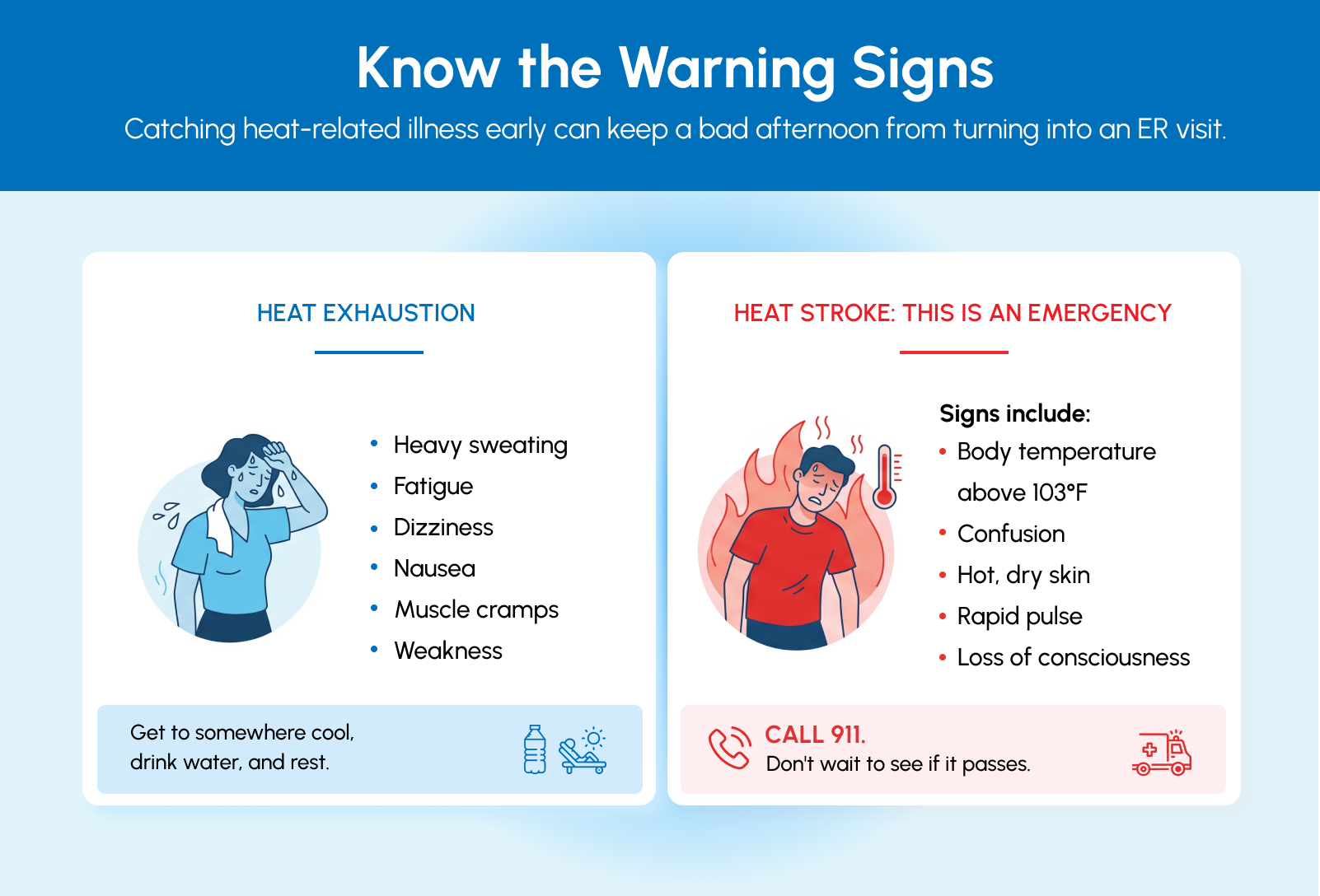
- Have heat exhaustion symptoms that aren’t improving
A quick check-in before summer gets going can catch problems early.
The Bottom Line
Summer is supposed to be the season you look forward to, not the one that lands you in urgent care.
A few important summer safety tips, consistent habits, drinking enough water, wearing sunscreen, avoiding the worst of the heat, handling food safely, and planning ahead for travel can cut your risk and let you enjoy the season.
If you’ve got health concerns or a big trip on the calendar, it’s worth getting a wellness check at Rural Health Network before you head out. A little planning now goes a long way toward a summer full of good memories instead of emergency room visits.