

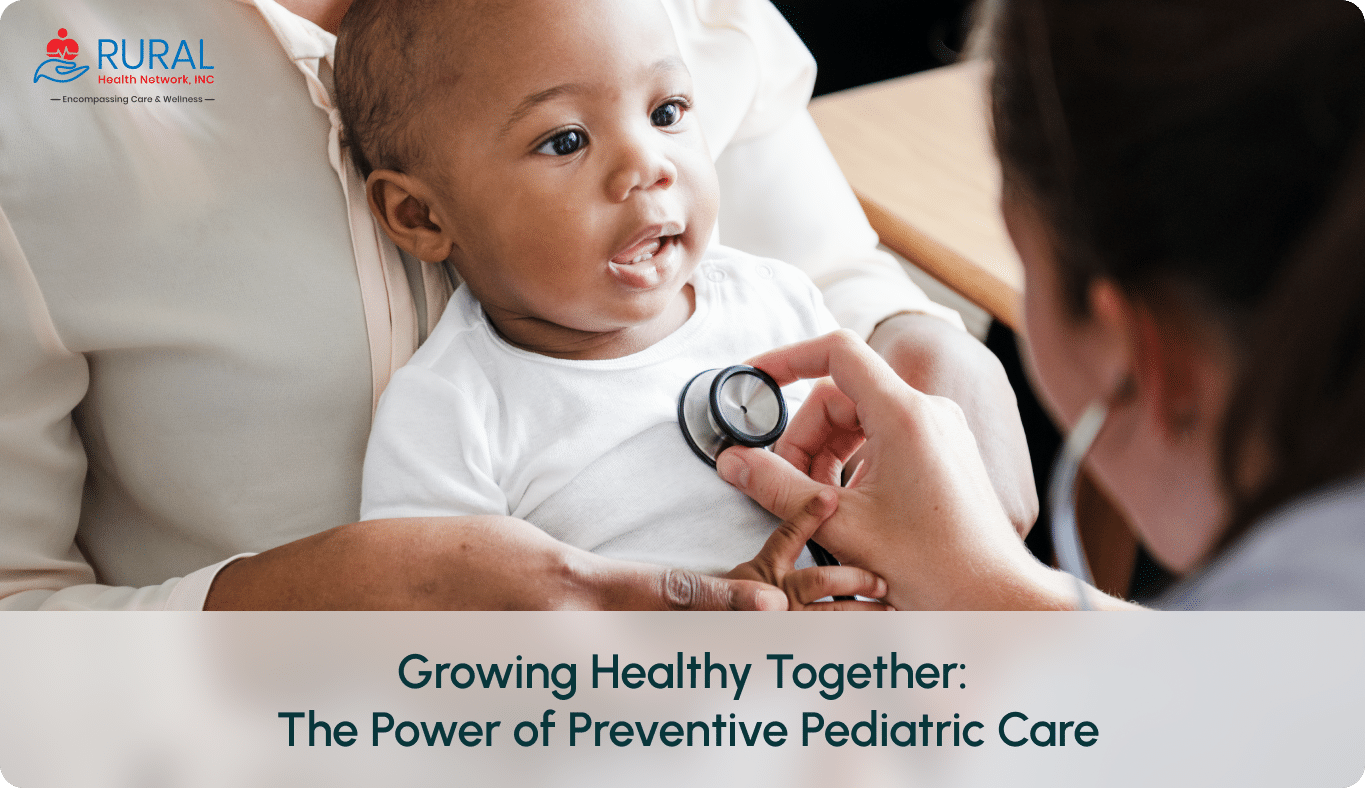
From those first sleepy stretches to the first wobbly steps, your kid grows faster than you think. Every giggle and every milestone is part of a delicate rhythm parents cherish and protect. But when your child falls ill, panic sets in. The fear of not knowing what’s wrong or how to help is something that every parent feels.
That’s where routine pediatric visits matter. Seeing a pediatrician only when your child is sick can leave more blind spots, which can be especially detrimental when quieter symptoms go unnoticed or untreated.
At Rural Health Network, wellness visits are more than just regular appointments. They provide an opportunity to track your child’s growth—physical, emotional, developmental, and social. Together, let’s ensure your child grows up healthy, happy, and ready to take on every new adventure.
Care for Every Little Milestone
Why Are Regular Pediatric Checkups Important?
Regular pediatric checkups play a vital role in monitoring your child’s overall health and development. These routine visits help pediatricians identify potential concerns before they become serious problems while ensuring children stay on track with recommended screenings, vaccinations, and developmental milestones.
The importance of pediatric checkups extends beyond treating illness. Well-child visits provide opportunities to:
- Monitor physical growth and development
- Track emotional and behavioral health
- Detect developmental delays early
- Keep vaccinations up to date
- Promote healthy nutrition and lifestyle habits
- Address parental concerns and questions
By scheduling regular pediatric wellness visits, parents can help their children build a strong foundation for lifelong health.
Recommended Pediatric Checkup Schedule by Age
Regular pediatric visits are recommended throughout childhood to monitor growth, development, and overall wellness.
| Age | Recommended Visit Frequency |
| Birth to 12 Months | Multiple visits during the first year |
| 1–2 Years | Every few months as recommended by your pediatrician |
| 3–5 Years | Annual well-child visits |
| 6–18 Years | Yearly pediatric wellness exams |
Your pediatrician may recommend additional visits based on your child’s unique healthcare needs, medical history, or developmental concerns.
Following a routine pediatric checkup schedule helps ensure your child receives preventive care at every stage of growth and development.
What Happens During a Pediatric Wellness Visit?
Every pediatric checkup includes a comprehensive physical exam, tailored to each stage of your child’s development. This allows the doctor to track any complications that may have come up in previous pediatrician visits. We recommend regularly scheduling these visits for your child, from infancy through adolescence, to help them grow up healthy and strong.
Here’s what parents can usually expect during these appointments:
- A physical exam that includes measuring height, weight, and head circumference
- Health screenings to check vision, hearing, blood pressure, and developmental milestones
- Guidance on sleep, nutrition, safety, and behavior
- Immunizations based on your child’s age
- Time to ask questions and share concerns
Each visit is a conversation. You know your child best, and we’re here to listen.
Benefits of Regular Pediatric Checkups for Children’s Health
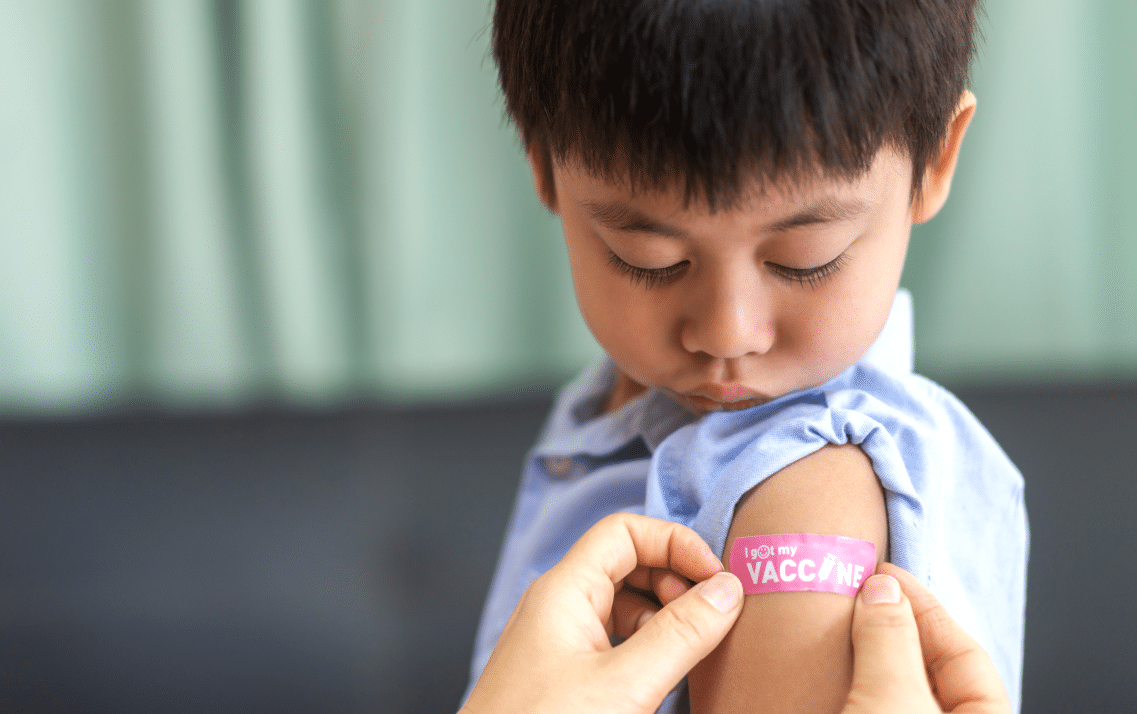
The importance of pediatric checkups lies in doctors spotting concerns early. Routine pediatric health assessments are conducted at each checkup, each one building upon the last. This helps pediatricians identify patterns, catch concerns early, and celebrate children’s health milestones.
Here are some of the key benefits of sticking to a routine schedule:
Spotting Issues Early On
Subtle signs of developmental delays, speech concerns, and vision or hearing problems can be easily overlooked. Regular pediatric appointments can detect these issues early when they’re the easiest to address.
Tracking Growth in More Ways Than One
Children’s health screenings not only monitor a child’s height and weight through the years, but also how they behave, interact with others, and navigate the world. Emotional development is just as important in ensuring that your child thrives.
Keeping Vaccinations on Track
Your child’s immune system is still developing. Pediatric checkups help make sure they’re protected from preventable diseases by keeping their vaccines up to date.
Tip! To see what vaccines your child might need, check out the CDC’s recommended .
Supporting You as a Parent
Becoming a parent doesn’t come with a manual, but these well-child visits are an opportunity to talk openly with a professional who truly understands and cares. Whether it’s about picky eating, tantrums, or sleep troubles, your pediatrician will be beside you.
Building a Relationship That Grows With Your Child
Having a consistent and trusted medical pediatrician makes a big difference. When your child sees the same doctor year after year, they build familiarity and trust, and that matters when something doesn’t feel right.
What Pediatricians Monitor During Well-Child Visits
Pediatric appointments go beyond quick exams. They cover thoughtful conversations about your child’s well-being and are shaped by your child’s age and unique needs. Some of the topics these conversations include:
- Child growth and development monitoring: Checks on height, weight, learning milestones, and social skills
- Nutritional guidance: Gives guidance on feeding, promoting healthy eating habits, and age-appropriate nutrition
- School readiness support: Makes sure your kid is meeting key milestones that ensure they’re ready for preschool or kindergarten
- Sleep and behavioral patterns: Discusses sleep patterns, daily routines, and common behavioral concerns, if there are any
- Emotional health and family dynamics: Helps you in supporting your child’s feelings and building family relationships
These visits help you see the bigger picture—everything from diet to bedtime routines.
When Should You Book a Visit?
If you’re ever unsure, a quick call to us at Rural Health Network can help you decide what’s best. It is important to remember that pediatric treatment differs significantly from the treatment typically received by adults.
More importantly, trust your instincts. You should also book a visit if:
- Your child seems unusually tired, withdrawn, or irritable
- Your child had a sudden drop in appetite or energy
- You’ve noticed changes in their behavior, sleep, or development
Your child’s welfare should always be the utmost priority.
Rural Health Network: Your Neighborhood Partner in Growing Healthy Kids
At Rural Health Network, we believe that a pediatrician shouldn’t just be a healthcare provider but a crucial partner in your parenting journey. Parenting can be overwhelming, but showing up for your child with care and consistency matters more than getting everything perfect.
Every milestone matters. No question is too small, and no concern is too big. If you’re ready for caring, personalized support, schedule your child’s checkup with Rural Health Network, Inc. We’ll be here every step of the way.
A Healthier Childhood Starts With Us