

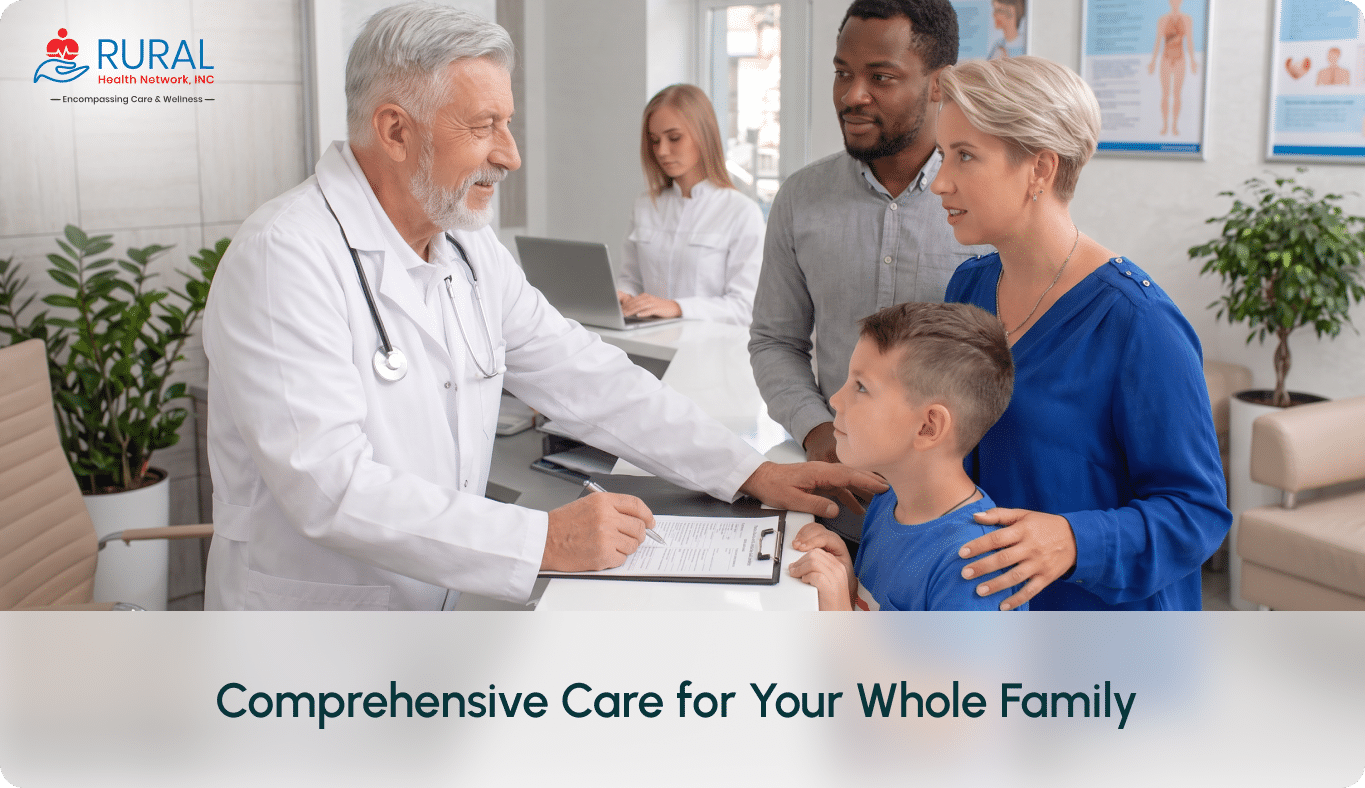
Choosing a family medicine doctor is an important step in managing your family’s health. A family medicine doctor can provide primary care for people at different stages of life, from children and adults to older adults.
Instead of only visiting a doctor when you are sick, establishing an ongoing relationship with a family medicine provider gives you a consistent place to go for preventive care, routine health concerns, chronic condition management, and guidance about your overall well-being.
For families in rural communities, having access to a trusted primary care provider close to home can be especially valuable. Regular access to primary care can help families stay up to date with preventive services and receive appropriate care when health concerns arise.
What Is a Family Medicine Doctor?
A family medicine doctor is a primary care physician trained to provide comprehensive healthcare for patients of different ages and across many areas of medicine.
Family medicine physicians complete medical school followed by residency training that prepares them to care for patients throughout their lives. Their training includes areas such as pediatrics, adult medicine, preventive care, women’s health, and care for older adults.
Unlike a specialist who focuses on one particular area of medicine, a family medicine doctor takes a broad approach to healthcare.
A family medicine doctor may provide:
- Routine physical and wellness exams
- Preventive screenings and immunizations
- Care for common illnesses and minor injuries
- Management of chronic conditions
- Health education and lifestyle counseling
- Care for children, adults, and older adults
- Support for certain behavioral and mental health concerns
- Referrals and coordination with specialists when needed
This broad approach makes family medicine a convenient starting point for many healthcare needs.
Why Is Having a Family Medicine Doctor Important?
A family medicine doctor can become an ongoing healthcare partner for you and your family.
1. Continuity of Care
Seeing the same primary care provider over time allows your doctor to become familiar with your medical history, medications, health concerns, and preventive care needs.
Continuity of care can make it easier to track changes in your health and maintain an up-to-date care plan.
Your doctor can also review previous test results, medications, and health conditions when making recommendations.
2. Comprehensive Primary Care
Family medicine doctors can address many common healthcare needs in one primary care setting.
Depending on your individual needs, care may include:
- Annual wellness visits
- Preventive screenings
- Immunizations
- Treatment for common illnesses
- Blood pressure and diabetes management
- Cholesterol monitoring
- Health counseling
- Routine pediatric care
- Care for older adults
When a concern requires specialized evaluation, your family medicine doctor can help determine whether a referral is appropriate.
3. Personalized Healthcare
Healthcare recommendations are not the same for everyone.
Your family medicine doctor can consider factors such as your:
- Age
- Medical history
- Family history
- Lifestyle
- Current medications
- Existing health conditions
- Preventive care needs
- Personal health goals
This information can help your provider develop recommendations that are appropriate for your individual circumstances.
4. Preventive Care
Family medicine doctors play an important role in preventive healthcare.
Regular visits provide opportunities to discuss recommended:
- Cancer screenings
- Immunizations
- Blood pressure checks
- Diabetes screening
- Cholesterol testing
- Mental health screening
- Lifestyle and nutrition
- Other age- and risk-appropriate preventive services
Preventive care recommendations can change based on age, sex, medical history, family history, and individual risk factors.
5. Chronic Condition Management
If you live with a long-term condition such as diabetes, high blood pressure, asthma, or high cholesterol, regular primary care can help you monitor your condition and manage your treatment plan.
Your family medicine doctor can:
- Monitor your condition over time
- Review medications
- Order appropriate laboratory tests
- Discuss lifestyle changes
- Monitor for potential complications
- Coordinate care when a specialist is involved
Consistent follow-up is particularly important for conditions that require ongoing monitoring.
6. Coordinated Care
Sometimes a health concern requires care from a specialist.
Your family medicine doctor can help determine when additional evaluation may be needed and coordinate care with other healthcare professionals.
For example, your primary care provider may refer you to a cardiologist, gastroenterologist, dermatologist, orthopedic specialist, or another healthcare professional based on your symptoms and medical needs.
Having a primary care provider involved can help keep your overall healthcare plan organized.
Why Is Family Medicine Especially Important in Rural Communities?
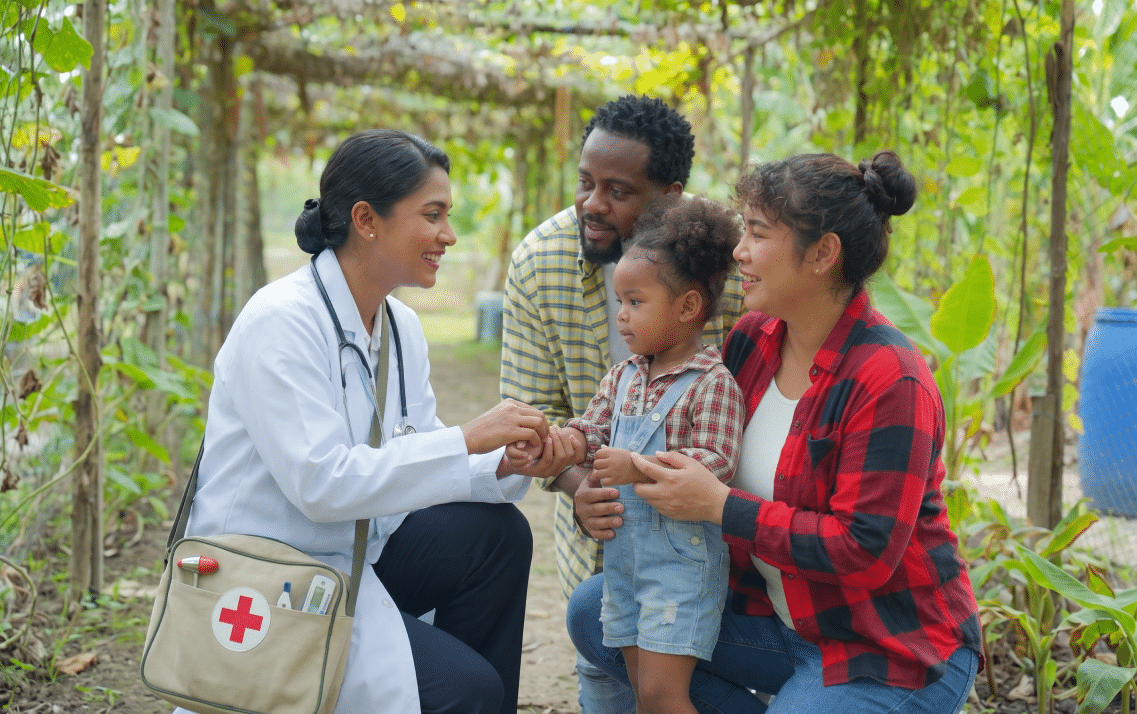
People living in rural communities can face unique challenges when accessing healthcare.
These may include:
- Longer travel distances to medical facilities
- Fewer healthcare providers and specialists
- Transportation challenges
- Limited appointment availability
- Financial or insurance barriers
- Difficulty taking time away from work or family responsibilities
A local family medicine practice can provide an important point of access for routine and preventive healthcare.
When appropriate primary care is available closer to home, families may have an easier time maintaining regular appointments, discussing health concerns, and staying current with preventive services.
However, family medicine does not replace specialized care when a specialist is needed. Instead, the family medicine doctor can serve as a central point for coordinating different aspects of a patient’s healthcare.
What Should You Look for When Choosing a Family Medicine Doctor?
Choosing a family medicine doctor is a personal decision. Consider the following factors when evaluating a provider.
Experience and Qualifications
Look for a physician who is appropriately trained and licensed to practice family medicine. You can also check whether the provider is board certified if that is important to you.
Communication Style
A good primary care relationship depends on clear communication.
Look for a provider who:
- Listens to your concerns
- Explains medical information clearly
- Answers your questions
- Includes you in healthcare decisions
- Respects your preferences and concerns
Services Offered
Consider whether the practice provides the types of primary care your family needs, such as:
- Wellness exams
- Pediatric care
- Preventive screenings
- Chronic disease management
- Treatment for common illnesses
- Immunizations
Location and Accessibility
For ongoing primary care, convenience matters.
Consider:
- Distance from your home
- Office hours
- Appointment availability
- Accessibility
- Whether the practice accepts your insurance
For rural families, choosing a provider who is reasonably accessible can make it easier to maintain regular care.
Approach to Preventive Care
Ask whether the practice routinely discusses preventive screenings, vaccinations, lifestyle habits, and other age-appropriate health needs.
A primary care provider should help you understand which preventive services are appropriate for you rather than recommending every screening to every patient.
Family Medicine vs. Other Types of Doctors
Understanding the difference between primary care and specialty care can help you decide where to start when you have a health concern.
Family Medicine Doctor
Provides broad primary care for patients of different ages and can manage many common health concerns, preventive needs, and chronic conditions.
Internal Medicine Doctor
Internal medicine physicians, also called internists, specialize in the care of adults. Some internists provide primary care, while others practice in specialized areas of internal medicine.
Pediatrician
Pediatricians focus specifically on the health and development of infants, children, and adolescents.
Specialist
Specialists focus on a particular area of medicine, such as cardiology, gastroenterology, dermatology, or endocrinology.
For many common health concerns, a family medicine doctor can be a good first point of contact and can help determine whether specialty care is needed.
When Should You See a Family Medicine Doctor?
You do not have to wait until you are sick to schedule an appointment.
Consider establishing care with a family medicine doctor if you need:
- A routine physical or wellness exam
- Preventive health screening
- Vaccinations
- Help managing a chronic condition
- Evaluation of a new or ongoing health concern
- Medication management
- Lifestyle and nutrition guidance
- Help coordinating specialty care
If you experience severe or potentially life-threatening symptoms, seek emergency medical care rather than waiting for a routine primary care appointment.
Make Family Medicine Part of Your Healthcare Plan
Choosing a family medicine doctor is more than finding someone to visit when you are sick. It is about establishing a reliable source of primary care that can support your health through different stages of life.
From preventive screenings and routine checkups to chronic condition management and specialist coordination, family medicine can provide a central point for many of your healthcare needs.
If you live in a rural community and are looking for accessible primary care, consider establishing a relationship with a family medicine provider who understands your healthcare needs.
Start your healthcare journey with a trusted family medicine provider today.
This article is for educational purposes only and does not replace personalized medical advice, diagnosis, or treatment. Healthcare recommendations may vary based on age, medical history, family history, and individual health needs.
Frequently Asked Questions About Family Medicine Doctors
How Rural Health Network Supports Family Healthcare
Rural Health Network is committed to helping individuals and families access primary and preventive healthcare in rural communities.
Through family medicine services, patients can receive care for a wide range of health needs, including preventive care, routine health concerns, and chronic condition management.
Our approach focuses on helping patients understand their health needs and connect with appropriate care when additional services or specialist evaluation are necessary.
Whether you need a routine wellness visit or have an ongoing health concern, establishing a relationship with a primary care provider can help you stay engaged with your healthcare over time.