

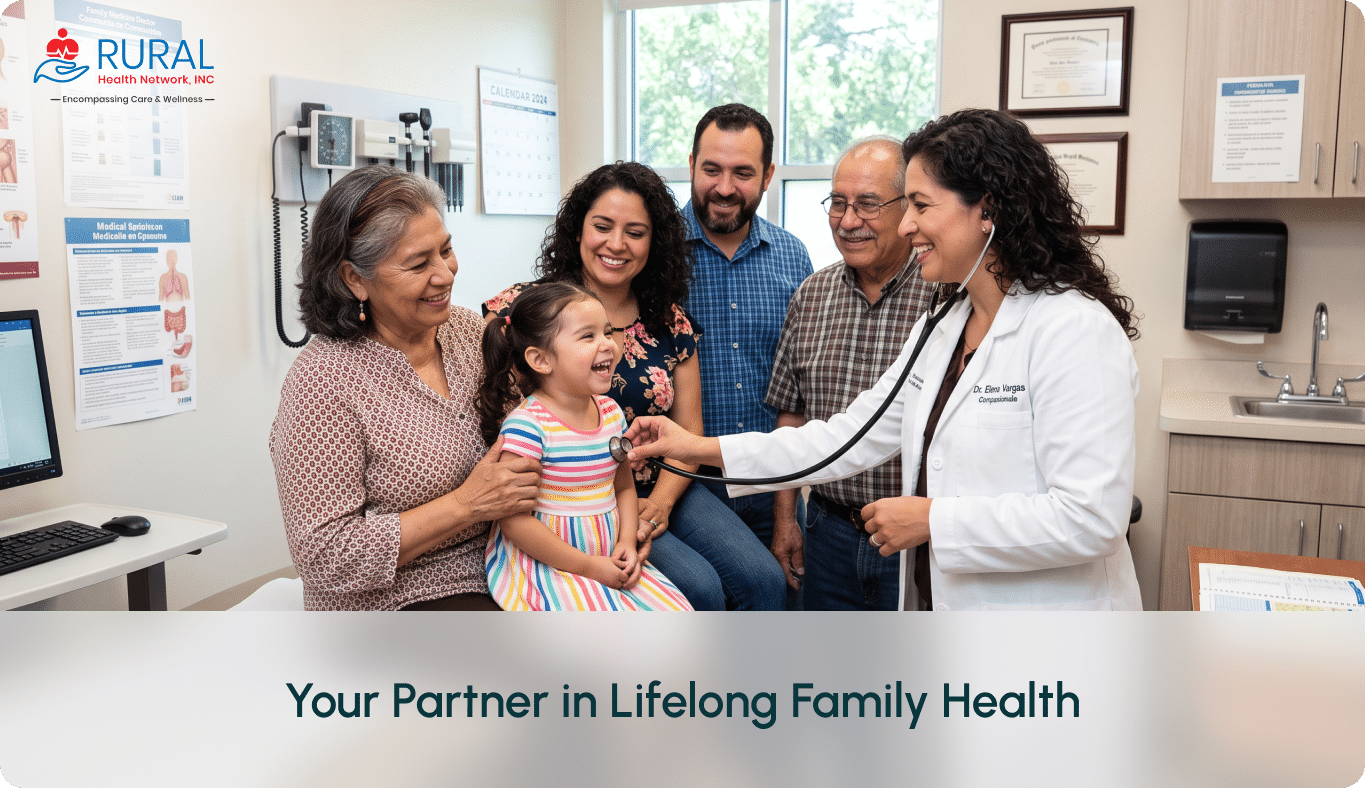
A family medicine doctor provides comprehensive primary care for people of all ages, from children and young adults to older adults. They diagnose and treat common illnesses, manage chronic conditions, provide preventive care, monitor overall health, and coordinate care with specialists when needed.
Unlike doctors who focus on a specific organ system or condition, family medicine physicians take a broader view of your health. They can develop a long-term understanding of your medical history, lifestyle, family health history, and changing healthcare needs.
For individuals and families, having a family medicine doctor can make healthcare more coordinated, consistent, and personalized.
What Is a Family Medicine Doctor?
A family medicine doctor, also called a family physician, is a primary care provider trained to care for patients across different ages and stages of life.
Family medicine focuses on treating the whole person rather than one specific condition or body system. Your family doctor may provide preventive care, diagnose acute illnesses, manage chronic diseases, provide care for children and adults, and help coordinate specialty care.
Family Medicine Doctor vs. Specialist
| Family Medicine Doctor | Specialist |
| Provides broad primary care | Focuses on a specific medical specialty |
| Treats patients across different ages | Usually focuses on a particular condition, organ system, or patient group |
| Provides preventive and ongoing care | Provides specialized evaluation and treatment |
| Manages many common acute and chronic conditions | Treats complex or specialty-specific conditions |
| Coordinates care with other healthcare providers | Often receives referrals from primary care providers |
| Builds long-term relationships with patients | May provide care for a specific condition or episode |
Family medicine doctors can serve as the central point of contact for your healthcare and help determine when you may benefit from seeing a specialist.
What Does a Family Medicine Doctor Do?
Family medicine doctors provide a wide range of healthcare services. Depending on their practice and your individual needs, they may provide:
- Preventive care: Routine checkups, health screenings, immunizations, and wellness counseling
- Acute care: Diagnosis and treatment of common illnesses and minor injuries
- Chronic disease management: Ongoing care for conditions such as diabetes, high blood pressure, and asthma
- Pediatric care: Healthcare for children and adolescents
- Adult care: Routine healthcare, preventive services, and treatment of common medical conditions
- Older adult care: Health monitoring and management of age-related health concerns
- Health counseling: Guidance on nutrition, physical activity, sleep, weight management, and other healthy lifestyle habits
- Care coordination: Referrals and communication with specialists and other healthcare professionals when additional care is needed
Because family medicine covers many aspects of primary healthcare, your family doctor can help you manage both immediate concerns and long-term health goals.
What Conditions Can a Family Medicine Doctor Treat?

Family medicine doctors can diagnose and manage many common health conditions, including:
- Colds, flu, and other common infections
- Allergies
- Asthma
- Diabetes
- High blood pressure
- High cholesterol
- Minor injuries
- Digestive concerns
- Skin conditions
- Headaches
- Joint and muscle problems
- Respiratory conditions
- Sleep-related concerns
- Other common acute and chronic health conditions
For complex or specialized conditions, your family medicine doctor may refer you to an appropriate specialist while continuing to help coordinate your overall care.
Who Should Have a Family Medicine Doctor?
Most people can benefit from having an established primary care provider, including children, adults, older adults, and people with chronic health conditions.
A family medicine doctor can be particularly helpful if you:
- Need regular preventive checkups
- Have one or more chronic conditions
- Take multiple medications
- Have a family history of certain health conditions
- Need routine health screenings
- Want help improving your lifestyle and overall health
- Need referrals to specialists
- Want one healthcare provider who can follow your health over time
Having an established primary care relationship can also make it easier to address health concerns before they become more serious.
Why Is Having a Family Medicine Doctor Important?
A family medicine doctor can provide several important benefits throughout your life.
1. Your Doctor Knows Your Medical History
Over time, your family physician can become familiar with your medical history, medications, allergies, family health history, lifestyle, and previous treatments. This background can help inform healthcare decisions and make it easier to identify changes in your health.
2. Preventive Care and Early Detection
Family medicine doctors help patients stay current with recommended screenings, immunizations, wellness visits, and other preventive services.
Regular checkups can help identify certain health concerns earlier, when they may be easier to address. Learn more about the importance of routine checkups in rural healthcare.
3. Chronic Disease Management
If you have a long-term condition, your family medicine doctor can monitor your health, review medications, recommend lifestyle changes, and adjust your care plan when appropriate.
For example, patients managing diabetes can benefit from consistent monitoring and ongoing support. Learn more about diabetes care for farmers.
4. Coordinated Healthcare
Sometimes your healthcare needs go beyond primary care. A family medicine doctor can help determine when you may need a specialist and coordinate care between different providers.
This can help reduce gaps in communication and ensure that your primary care provider remains aware of your overall treatment plan.
5. Care Throughout Different Life Stages
Family medicine doctors can care for patients through many stages of life. This means your healthcare needs can be addressed as they change from childhood through adulthood and older age.
For children, regular pediatric visits can help monitor growth and development. Learn more about regular pediatric checkups for child health and development.
6. Personalized Health Guidance
Your family medicine doctor can provide recommendations based on your individual health history, risk factors, lifestyle, and goals rather than taking a one-size-fits-all approach.
When Should You See a Family Medicine Doctor?
You do not have to wait until you are sick to see your family medicine doctor. Regular visits are important for preventive healthcare as well as treatment.
Consider scheduling an appointment when you:
- Need an annual wellness exam
- Have a new or persistent health concern
- Need recommended health screenings
- Need vaccinations
- Want to discuss lifestyle or nutrition changes
- Need help managing a chronic condition
- Need medication monitoring
- Have symptoms that are affecting your daily activities
- Need a referral to a specialist
If you are unsure whether a symptom requires primary care or specialty care, a family medicine doctor can help determine the appropriate next step.
What Happens During a Family Medicine Visit?
The exact appointment will depend on your reason for visiting. A routine appointment may include:
- Reviewing your health history: Your provider may discuss current medications, allergies, medical conditions, and family history.
- Discussing your concerns: You can explain any symptoms, health changes, or questions you have.
- Physical examination: Your provider may perform an examination based on your age, health history, and reason for the visit.
- Preventive care review: Your provider may discuss recommended screenings, vaccinations, and healthy lifestyle habits.
- Testing when appropriate: Certain laboratory tests or diagnostic evaluations may be recommended based on your symptoms and risk factors.
- Creating a care plan: Your provider may recommend treatment, follow-up, lifestyle changes, or referral to another healthcare professional.
Can a Family Medicine Doctor Refer You to a Specialist?
Yes. Family medicine doctors can refer patients to specialists when a medical concern requires specialized evaluation or treatment.
For example, depending on your symptoms and health needs, your family doctor may recommend consultation with a cardiologist, dermatologist, orthopedist, gastroenterologist, or another specialist.
Your family medicine doctor can continue providing primary care while the specialist addresses the specific medical concern.
Why Is Family Medicine Especially Important in Rural Communities?
Access to consistent healthcare can be especially important for people living in rural communities. A family medicine practice can provide a convenient primary care resource for individuals and families while helping coordinate additional services when needed.
A strong primary care relationship can support preventive care, chronic disease management, early evaluation of symptoms, and long-term health planning.
Family Medicine Services at Rural Health Network
At Rural Health Network, we believe primary care should be comprehensive, personalized, and accessible to individuals and families.
Our Family Medicine services support patients with preventive care, routine healthcare needs, chronic condition management, and treatment of common illnesses.
Whether you need a routine checkup, help managing an ongoing health condition, or guidance about a new health concern, establishing a relationship with a family medicine provider can be an important part of maintaining your health.
Contact Rural Health Network to learn more about family medicine services and schedule an appointment.
Build a Long-Term Relationship With Your Family Doctor
A family medicine doctor is more than a provider you visit when you are sick. They can be a long-term partner in preventive care, chronic disease management, early detection, and overall wellness.
Establishing a relationship with a family medicine provider can help you receive consistent care and make it easier to navigate the healthcare system when additional services or specialty care are needed.