

Finding the right healthcare provider can make managing your health easier at every stage of life. A family medicine doctor provides comprehensive primary care for children, adults, and older adults, helping patients prevent illness, manage health conditions, and stay on track with their overall well-being.
Unlike doctors who specialize in one specific disease or body system, family medicine physicians are trained to care for a broad range of health concerns. They can provide preventive care, diagnose and treat common illnesses, manage chronic conditions, and coordinate care with specialists when needed.
For individuals and families, having a trusted family medicine doctor can also provide continuity of care. Over time, your doctor becomes familiar with your medical history, health goals, medications, and other factors that can influence your care.
At Rural Health Network, we believe accessible, personalized primary care is an important part of maintaining better health. Our family medicine services are designed to support patients and families throughout different stages of life.
What Is a Family Medicine Doctor?
A family medicine doctor is a primary care physician trained to provide comprehensive healthcare to people of all ages and at different stages of life.
Family medicine physicians can address many healthcare needs, including preventive care, acute illnesses, chronic disease management, health screenings, and routine checkups.
They also consider the broader factors that can affect your health, including your medical history, family history, lifestyle, and individual healthcare needs.
Family Medicine Doctor vs. Specialist
Both family medicine doctors and specialists play important roles in healthcare, but their responsibilities are different.
| Family Medicine Doctor | Specialist |
| Provides comprehensive primary care | Focuses on a specific medical specialty |
| Treats patients across different age groups | Typically treats specific conditions or body systems |
| Provides preventive care and routine health services | Provides specialized evaluation and treatment |
| Manages many common acute and chronic conditions | Manages complex or specialty-specific conditions |
| Coordinates care with specialists when needed | Works with primary care providers as part of the healthcare team |
| Builds long-term relationships with patients | May provide care for a specific health concern |
A family medicine doctor can serve as your primary point of contact for healthcare and refer you to an appropriate specialist when a condition requires specialized evaluation or treatment.
What Does a Family Medicine Doctor Do?
Family medicine doctors provide a broad range of healthcare services. Their role can include preventing illness, diagnosing health problems, treating common conditions, and helping patients manage long-term health concerns.
1. Provides Preventive Care
Preventive healthcare focuses on identifying health risks and maintaining wellness before problems become more serious.
Depending on your age, health history, and individual needs, preventive care may include:
- Routine physical exams
- Health screenings
- Immunizations
- Blood pressure checks
- Cholesterol screening
- Diabetes screening
- Cancer screening recommendations
- Lifestyle counseling
- Health and wellness education
Regular preventive visits give you an opportunity to discuss changes in your health and identify appropriate screenings or preventive services.
2. Diagnoses and Treats Common Illnesses
Family medicine doctors evaluate and treat many common acute health concerns, such as:
- Colds and respiratory infections
- Flu
- Sore throat
- Sinus infections
- Minor injuries
- Skin conditions
- Digestive problems
- Headaches
- Allergies
- Other common illnesses
If your symptoms require specialized care, your family medicine doctor can help determine whether you should see another healthcare professional.
3. Manages Chronic Conditions
Many chronic conditions require regular monitoring and long-term treatment.
Family medicine doctors can help patients manage conditions such as:
- Diabetes
- High blood pressure
- High cholesterol
- Asthma
- Arthritis
- Heart disease
- Chronic obstructive pulmonary disease (COPD)
- Thyroid conditions
Your doctor can monitor your condition, review medications, recommend appropriate lifestyle changes, and coordinate care when additional services are needed.
For patients managing multiple chronic conditions, chronic care management may provide additional support through ongoing care coordination and communication.
4. Provides Care for Different Age Groups
Family medicine physicians are trained to provide care across the lifespan.
Depending on the practice, services may include:
- Children’s healthcare
- Adult healthcare
- Preventive healthcare
- Women’s and men’s health services
- Care for older adults
- Chronic disease management
This broad scope allows families to establish long-term relationships with a primary care practice.
5. Coordinates Care With Specialists
Your family medicine doctor does not have to manage every healthcare concern alone.
If you need specialized evaluation, your doctor can coordinate with specialists and help ensure that relevant medical information is communicated between members of your healthcare team.
For example, a patient with a heart condition may receive ongoing primary care while also seeing a cardiologist. Coordination between providers can help keep the patient’s overall care organized.
6. Provides Lifestyle and Health Counseling
Family medicine doctors can also discuss lifestyle factors that influence overall health.
Depending on your individual needs, conversations may include:
- Nutrition
- Physical activity
- Weight management
- Sleep
- Tobacco cessation
- Alcohol use
- Stress management
- Preventive health habits
The goal is to help patients make informed decisions about their health.
Who Should Have a Family Medicine Doctor?
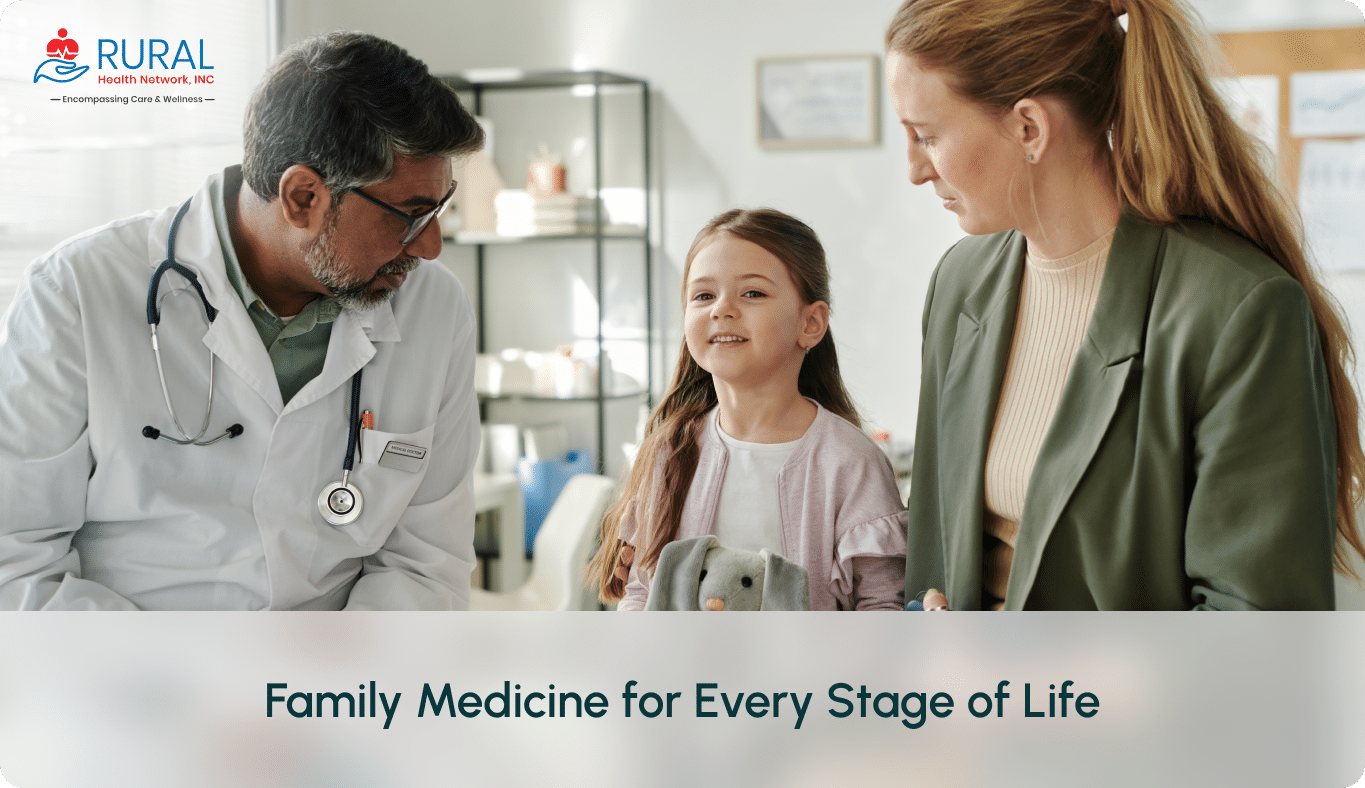
Almost anyone can benefit from having a primary care provider. A family medicine doctor may be particularly helpful for:
Individuals Who Need Regular Preventive Care
Routine checkups allow you and your doctor to discuss your overall health and determine which preventive services may be appropriate.
People Managing Chronic Conditions
Patients with long-term conditions often benefit from ongoing monitoring and a consistent healthcare team.
Families With Children
Family medicine practices may provide healthcare for children as well as adults. Some practices also offer dedicated pediatric services.
Older Adults
Older adults may have multiple health concerns, medications, and preventive care needs that require ongoing coordination.
People With Complex Medical Histories
If you have a history of multiple conditions, surgeries, medications, or specialist visits, having one primary care physician who understands your health history can make care coordination easier.
Why Is Having a Family Medicine Doctor Important?
Establishing a relationship with a family medicine doctor offers several potential advantages.
Continuity of Care
Seeing the same primary care provider over time allows your doctor to become familiar with your medical history, previous treatments, medications, and health goals.
This ongoing relationship can make it easier to identify changes in your health and make informed decisions about your care.
Personalized Healthcare
Your healthcare needs are unique. A family medicine doctor can consider your age, medical history, family history, lifestyle, and personal health goals when developing a care plan.
Comprehensive Primary Care
Instead of visiting different providers for every routine healthcare need, a family medicine doctor can address many common health concerns in one primary care setting.
Better Care Coordination
When you need care from a specialist, your family medicine doctor can help coordinate your overall healthcare and keep your primary care needs connected with specialty treatment.
Preventive Health Support
Regular primary care visits can help you stay up to date with recommended screenings, vaccinations, and other preventive services.
Long-Term Health Partnership
Healthcare is not limited to treating an illness when you become sick. A family medicine doctor can become a long-term partner in maintaining your health and addressing concerns as they arise.
When Should I See a Family Medicine Doctor?
You do not have to wait until you are sick to see your family medicine doctor.
Consider scheduling a primary care visit when you:
- Need an annual or routine physical exam
- Have a new or persistent health concern
- Need preventive screenings or vaccinations
- Need help managing a chronic condition
- Are taking multiple medications
- Need help understanding your health risks
- Want to discuss nutrition, exercise, or other lifestyle concerns
- Need a referral to a specialist
- Have not had a primary care visit in a long time
If you experience symptoms of a medical emergency, seek emergency medical care rather than waiting for a routine primary care appointment.
What Happens During a Family Medicine Appointment?
Your appointment will depend on the reason for your visit. A routine visit may include:
Reviewing your medical history
Your healthcare provider may ask about your current health, medications, allergies, previous conditions, and family history.
Discussing your concerns
You can explain any symptoms, health concerns, or questions you have.
Physical examination
Depending on your reason for visiting, your provider may perform an appropriate physical examination.
Reviewing preventive care needs
Your doctor may discuss screenings, vaccinations, lifestyle factors, or other preventive services.
Creating a care plan
Your provider may recommend treatment, follow-up visits, diagnostic testing, lifestyle changes, or referral to another healthcare professional.
Family Medicine and Rural Healthcare
Access to consistent primary care can be especially important in rural communities.
Patients living in rural areas may experience challenges such as longer travel distances, transportation limitations, and fewer nearby healthcare services. Having an established primary care provider can help patients receive ongoing care and coordinate services when additional medical attention is needed.
At Rural Health Network, we understand the healthcare needs of rural families and strive to provide accessible, patient-centered primary care.
Our Family Medicine services can help patients address routine healthcare needs, manage chronic conditions, and maintain their health throughout different stages of life.
Choose a Primary Care Partner for Your Health
A family medicine doctor can provide much more than treatment when you are sick. From preventive care and routine checkups to chronic disease management and specialist coordination, family medicine provides a foundation for ongoing healthcare.
At Rural Health Network, we are committed to helping individuals and families access personalized primary care close to home.
If you are looking for a trusted primary care provider, learn more about our Family Medicine services or contact Rural Health Network to learn more about your care options.
Call (209) 862-3604 to schedule an appointment.