

The school season is returning, with approximately 54.1 million K-12 students and 5.7 million educators preparing to head back to their classrooms this autumn.
As the first day approaches, excitement builds. Children are eager to reconnect with classmates, equipped with fresh supplies and new backpacks. However, it is important to consider if you, as a parent, are fully equipped for the transition.
Read on to know about some preventive measures to take care of before your child goes back to school.
Importance of Staying Healthy during the Back-To-School Season
The back-to-school season brings new classrooms, some new classmates, and, with them, exposure to new potential infectious agents. Research shows that two-thirds of children were absent from school at least one day during the year due to illness or injury, and half of them took 1-3 days of leave.
This number makes it extremely essential to stay prepared before the kids go back to school, to avoid the spread of diseases. And here are some back-to-school tips for families to help them stay that way.
1. Staying on Top of Kids’ Health Checkups
Taking the right preventive measures can ensure that your child remains healthy throughout the year. And the preparation for this starts before the school year. A few ways to do this are listed below. For more information, you can meet the experts at our clinic.
-
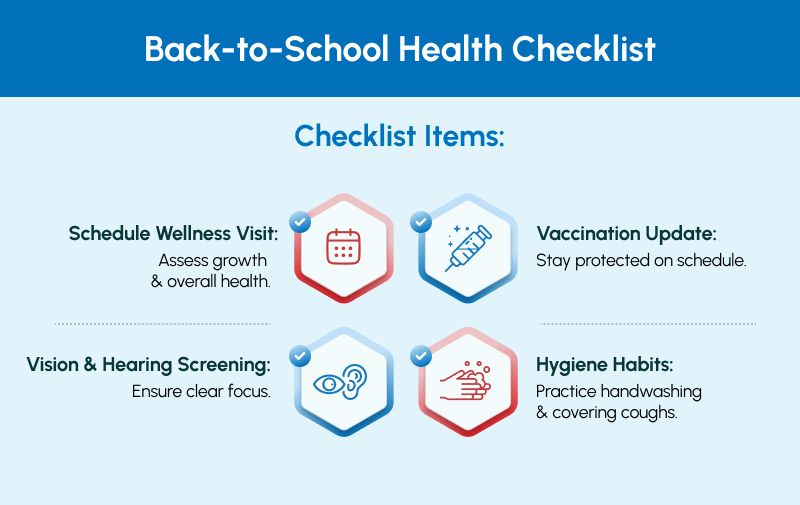
Schedule Pediatric Wellness Visits during the Summer Break
A routine pediatric well-child visit can help assess your child’s health right before they go back to school. It reduces the risk of future infections and ensures your child is properly equipped before they resume school. The best time to schedule an appointment is during the summer vacation.
If you have questions about the same, reach out to Rural Health Network, and we would be happy to be of help.
-
Vision and Hearing Screenings
Many kids complain about blurry vision and face difficulty focusing in class. To avoid this, it is advisable to get your child’s eyesight tested before the school year starts so that later, when the child goes back to school, there are no hurdles.
-
Vaccination and Immunization
According to the Centre for Disease Control, about 95% of recorded measles cases occur in individuals who are either unvaccinated or have an unknown vaccination status. The best way to protect your child against diseases is to ensure they are vaccinated on schedule.
2. Strengthening Your Child’s Immune System
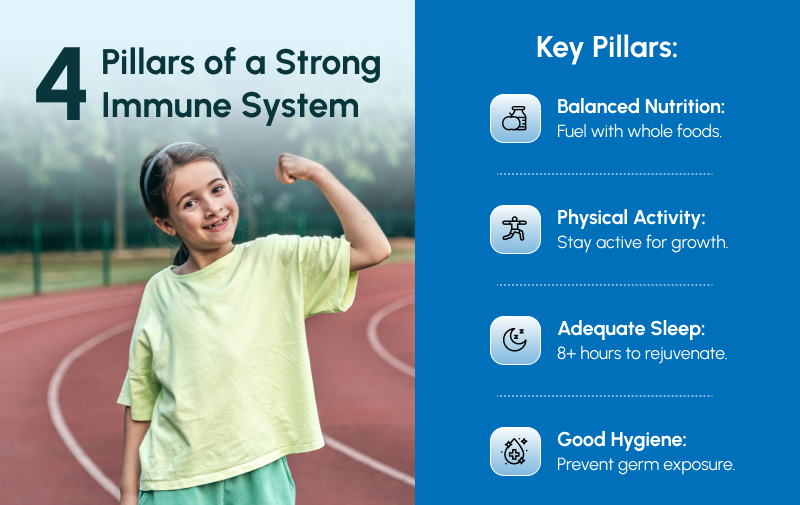
A healthy immune system is at the core of good health, and a healthy lifestyle supports it. The family plays an important role in shaping their children’s lifestyle habits. There are some lifestyle changes that the parents can inculcate not just during the summer break but throughout the year to ensure a strong immune system in the kids.
-
Plan nutritious meals
A well-balanced meal goes a long way in building and strengthening your child’s immune system. Food is, after all, vital to the growth and functioning of individuals. A balanced diet ensures that your child goes back to school energized and not lethargic.
-
Encourage regular physical activity.
Regular exercise helps not only in physical development but also in mental growth. Hence, regular physical activity will help lessen the susceptibility of your child to mental and physical health complications.
-
Ensure adequate and regular sleep.
Sleep is the body’s way of recovering and rejuvenating. Lack of sleep not only results in brain fog and loss of focus but can also weaken the immune system in the long run. Apart from ensuring your child sleeps for at least 8 hours each night, it helps a lot if a fixed time is set for going to bed and waking up in the morning.
-
Urge them to practice proper personal hygiene.
Common ailments like cough and cold can be easily prevented if basic personal hygiene is inculcated. Reduction in overall germ exposure invariably results in fewer infections. Below are some things you can teach your kids to practice before going back to school:
- Teach your kids to wash their hands properly with antibacterial soap every time before and after eating. Use hand sanitizers when soap is not available.
- Teach them to cover their nose and mouth, preferably with a handkerchief, while sneezing or coughing.
- Make them wear masks if unwell, even in household settings.
- Practice and encourage only breathing through the nose and not the mouth
- Do not send them to school if they are sick so as not to infect other children.
3. Tackling Allergies and Chronic Conditions at School
If your child has any conditions that their peers and the management need to know about, make sure you properly inform the authorities.
-
Food Allergies
Before they go back to school, make sure your child knows about their allergies and the required first-aid steps. This helps equip them with information and practice safety even when you or another adult is not around.
-
Seasonal Allergies
Seasonal allergies are fairly common and easily preventable. To control seasonal allergies,
- Limit exposure: Use masks if required and wear appropriate clothing.
- Keep required medication handy in case of an emergency.
-
Asthma Management
Asthma attacks can spike in some seasons. To prevent attacks, ensure your child knows which environments to avoid, since you cannot be around them all the time. Make sure they have medication on them at all times required.
4. Ensuring Mental and Emotional Well-being
An important aspect of overall health is mental health. With the new academic year beginning, it is natural for kids to feel a little overwhelmed. According to the National Center for Education Statistics, a notable rise has been seen in children seeking out mental health administrators in public schools. The guardians need to show them support so they can maintain their mental balance independently as they return to school.
Understanding the significance of this, Rural Health Network also provides Mental Health Therapy if required. Contact us to know more.
-
Put Their Mind At Ease
Going back to school, the children may need some help getting used to the new environment, and you can help by showing your support and being a little more patient as they adjust.
-
Promote healthy social habits.
Encourage children to speak positively with their friends and to maintain a generally empathetic attitude. According to some studies, isolation often impacts development. Going back to school can be fun with the right company and attitude.
When to Consult a Healthcare Provider
It is advised to have 6-month check-up visits for children aged 3 to 5 and annual visits for children aged 5 to 21 as part of routine care.
In case of sickness, if your child experiences fever lasting more than a few days and/or nausea and/or any kind of digestive irregularity, it is advised to see a doctor.
For critical situations like difficulty in breathing, fainting, head injury, allergic reactions, etc., immediately go to the emergency room.
Conclusion
Going back to school means excitement and nervousness. Proper preparation and support from the family can help the child thrive academically and maintain a healthy disposition throughout the year. Rural Health Network is committed to helping achieve this goal and aims for optimum wellness levels for families and communities.