

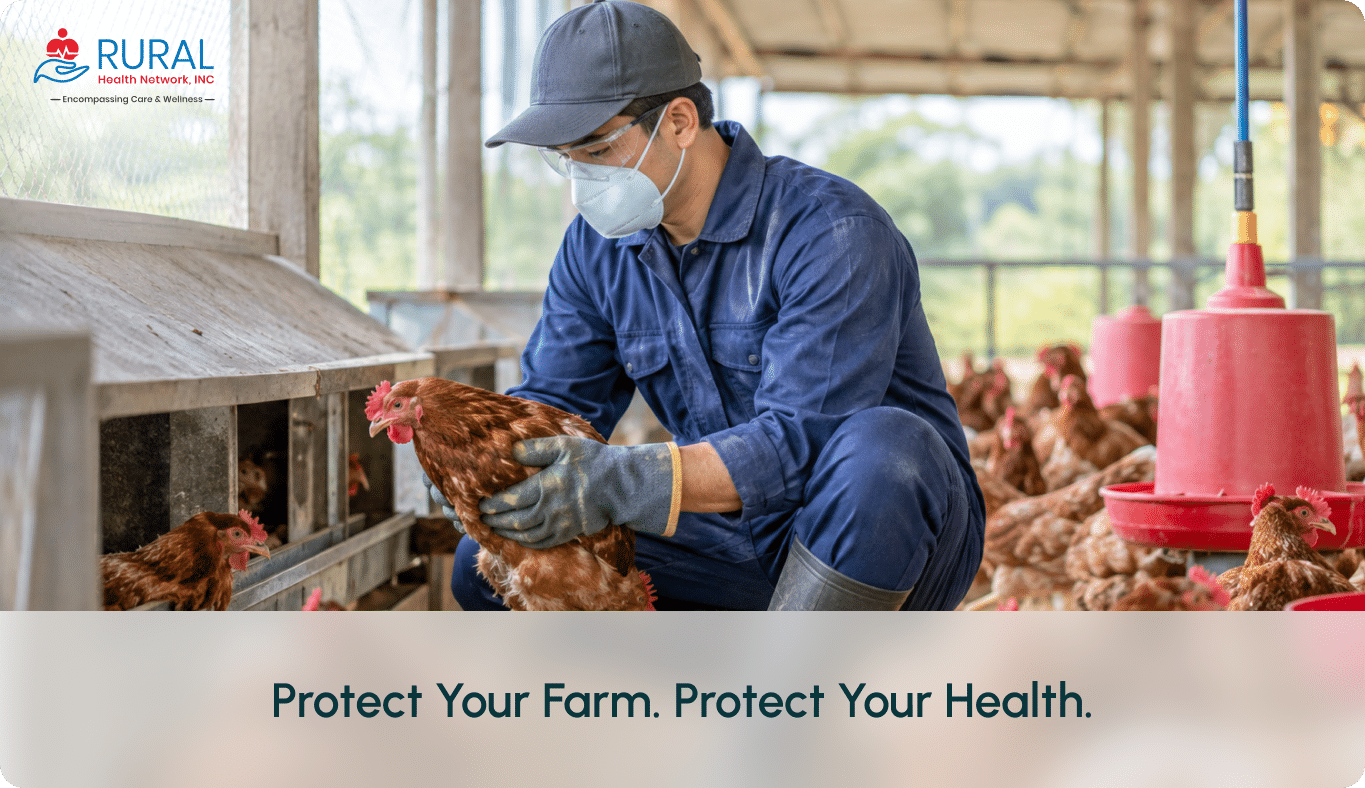
Newman, California, is part of the Central Valley, a region where agriculture plays an important role in the local economy and community. For farmers, agricultural workers, and families who live or work around poultry, dairy cattle, and other animals, understanding bird flu (avian influenza) is an important part of protecting community health.
Bird flu refers to infection caused by avian influenza A viruses. The current H5 bird flu situation in the United States involves highly pathogenic avian influenza A(H5N1), which has affected wild birds, poultry, dairy cattle, and other animals. Sporadic human infections have also occurred, primarily among people with direct or close exposure to infected animals.
For the general public, CDC currently considers the risk of H5 bird flu to be low. However, people who work closely with infected or potentially infected animals have a higher risk of exposure.
For rural communities like Newman, awareness, appropriate protective equipment, animal-health precautions, and prompt medical attention after a concerning exposure can help reduce health risks.
At Rural Health Network, we believe that accessible health education is an important part of rural wellness. Understanding how bird flu spreads, who is at higher risk, and how to respond after an exposure can help farmers and families make informed decisions about their health.
What Is Bird Flu?
Bird flu, or avian influenza, is an infection caused by influenza A viruses that primarily circulate among birds. Some avian influenza viruses, including A(H5N1), can infect mammals and occasionally people.
Human infections are uncommon, but people who have close or prolonged contact with infected animals or contaminated environments are at greater risk. In the United States, recent human infections have occurred primarily among people with occupational exposure to infected poultry or dairy cattle.
It is important to distinguish bird flu from seasonal influenza. They are caused by different virus groups, and bird flu viruses do not normally infect people.
How Does Bird Flu Spread to People?
People can become infected after close or prolonged contact with infected animals, animal carcasses, contaminated environments, or materials contaminated with animal secretions or waste.
Potential exposure sources include:
- Infected poultry
- Wild birds
- Backyard birds
- Dairy cattle
- Animal carcasses
- Feces or litter
- Contaminated surfaces
- Contaminated water
- Raw milk from infected animals
CDC recommends monitoring people who have been exposed to infected animals for symptoms for 10 days after their last exposure.
For agricultural workers, exposure can occur during activities such as:
- Handling sick or dead animals
- Caring for infected livestock
- Cleaning animal housing
- Handling poultry
- Collecting eggs
- Working with contaminated equipment
- Handling animal waste or litter
Who Is at Higher Risk of Bird Flu?
The risk is not the same for everyone.
People with close or prolonged contact with infected birds, dairy cattle, other animals, or contaminated environments are at higher risk of infection. This includes some agricultural workers, poultry workers, dairy workers, veterinarians, animal-health personnel, and people who handle infected animals.
For most people who do not have these exposures, CDC currently considers the public health risk to be low.
What Are the Symptoms of Bird Flu in People?
Bird flu infections can cause different symptoms, ranging from no symptoms or mild illness to severe disease.
Possible symptoms can include:
- Eye redness or irritation
- Fever
- Cough
- Sore throat
- Runny or stuffy nose
- Muscle or body aches
- Headache
- Fatigue
- Shortness of breath
- Diarrhea or other gastrointestinal symptoms
Some people with avian influenza infections have developed eye-related symptoms, particularly after exposure to infected animals.
Severe illness can occur in some cases and may involve serious respiratory complications.
If you develop symptoms after working with or being exposed to potentially infected animals, contact a healthcare provider promptly and explain your exposure history.
What Should You Do After a Possible Bird Flu Exposure?
If you have been exposed to a sick or infected animal, do not ignore new symptoms.
1. Monitor Yourself for Symptoms
CDC recommends monitoring for symptoms beginning on the day of exposure and continuing for 10 days after the last exposure.
2. Contact Your Healthcare Provider
If you develop symptoms after a potentially risky exposure, contact a healthcare professional and tell them:
- What animal you were exposed to
- When the exposure occurred
- Whether the animal was sick or confirmed to have H5N1
- Whether you used recommended personal protective equipment
- What symptoms you are experiencing
This information can help public health and healthcare professionals determine whether testing or additional evaluation is appropriate.
3. Follow Public Health Guidance
Bird flu investigations are coordinated with local, state, and federal public health agencies. If you are contacted by public health officials following an exposure, follow their monitoring and testing instructions.
4. Avoid Additional Exposure
If you are sick after a concerning animal exposure, avoid unnecessary contact with animals and follow guidance from your healthcare provider and public health officials.
How Can Farmers Reduce Bird Flu Exposure?
Biosecurity is an important part of protecting both animal and human health.
Use Appropriate Personal Protective Equipment
People working with potentially infected animals should follow current public health and occupational safety recommendations for personal protective equipment (PPE).
Depending on the activity and risk of exposure, recommended PPE may include appropriate gloves, eye protection, protective clothing, and respiratory protection.
PPE recommendations can change based on the type of animal exposure and current public health guidance, so workers should follow the latest recommendations from CDC, California public health officials, and agricultural authorities.
Wash Your Hands
Wash your hands thoroughly with soap and water after working with animals, animal waste, equipment, or potentially contaminated surfaces.
If soap and water are not immediately available, use an appropriate alcohol-based hand sanitizer until you can wash your hands.
Clean and Disinfect Equipment
Equipment, footwear, clothing, and surfaces that come into contact with potentially infected animals can become contaminated.
Follow appropriate cleaning and disinfection procedures recommended by animal-health and public health authorities.
Avoid Contact With Sick or Dead Animals When Possible
Do not handle sick or dead wild birds, poultry, livestock, or other animals unless you are trained and equipped to do so safely.
If you encounter potentially infected animals, contact the appropriate animal-health or public health authority for guidance.
What About Eggs, Poultry, and Dairy Products?
Food safety is an important part of preventing infections.
Consumers should follow food-safety recommendations, including:
- Cook poultry and eggs thoroughly.
- Avoid eating raw or undercooked poultry or eggs.
- Prevent raw poultry from contaminating other foods or kitchen surfaces.
- Wash hands and clean surfaces after handling raw poultry.
- Avoid consuming unpasteurized milk.
Pasteurization is effective at inactivating H5N1 virus in milk, while consuming raw milk can present health risks. Follow current guidance from public health and food-safety authorities when handling or consuming dairy products.
Why Does Bird Flu Matter to Rural Communities?
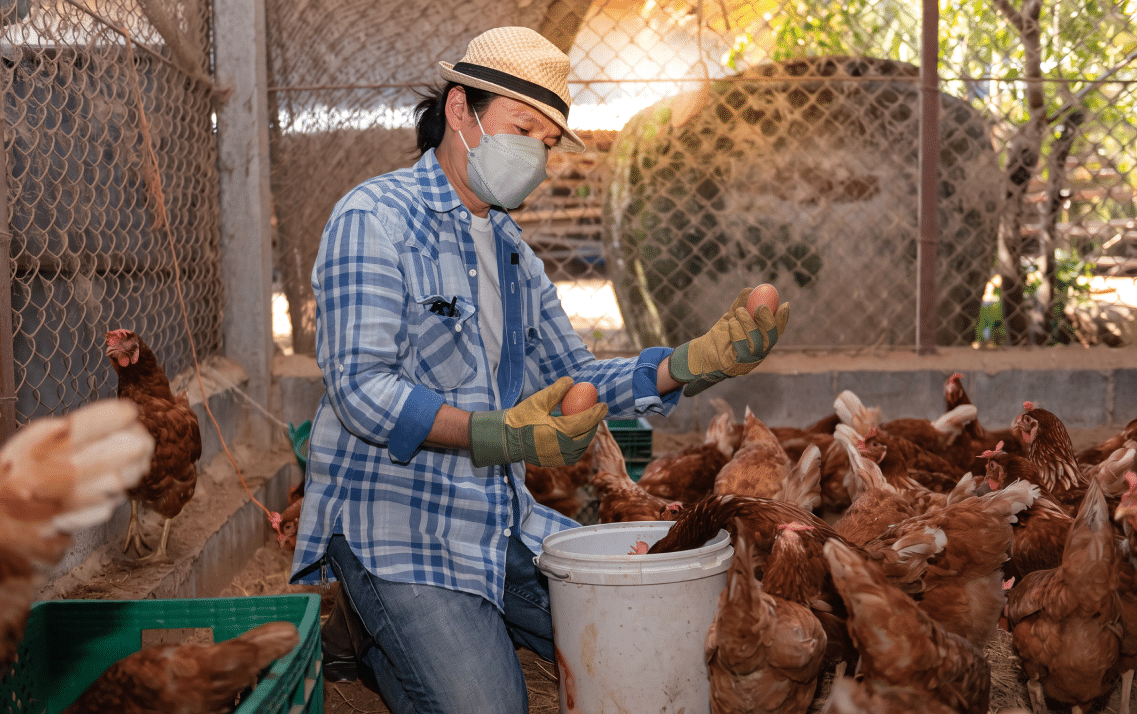
Rural communities can have unique exposure patterns because residents may live or work near farms, livestock, poultry, wildlife, and agricultural operations.
However, living in a rural community does not automatically mean that someone is at high risk of bird flu.
The key factor is exposure to infected animals or contaminated environments.
For agricultural communities, bird flu awareness can help workers recognize potential exposure risks and take appropriate precautions.
Farmers and Agricultural Workers
People who work directly with poultry, dairy cattle, or other potentially infected animals may have occupational exposure.
Following recommended PPE, hygiene, biosecurity, and monitoring practices can help reduce exposure.
Families Living Near Farms
Family members who do not work directly with animals generally have fewer opportunities for exposure. However, families should understand the importance of avoiding contact with sick or dead animals and following food-safety practices.
Children and Pets
Children should be taught not to touch sick or dead birds or other animals.
Pet owners should also avoid allowing pets to interact with potentially infected wildlife or animals and should follow guidance from veterinarians and public health authorities if exposure occurs.
How Rural Health Network Supports Rural Wellness
At Rural Health Network, we recognize that rural healthcare includes more than treating illness. Health education, preventive care, and accessible primary care are also important components of community wellness.
Our healthcare team can help patients understand their health concerns and determine when medical evaluation may be appropriate.
Our services include:
- Preventive healthcare
- Routine wellness visits
- Family medicine
- Chronic disease management
- Health education
- Primary care services
Learn more about our Family Medicine services and Wellness Exams.
If you are concerned about symptoms following an animal exposure, tell your healthcare provider about the exposure so they can determine the appropriate next steps.
Bird Flu Prevention Checklist for Farmers
Use this checklist as a reminder when working around animals:
- Wear appropriate PPE for the type of animal exposure.
- Avoid unnecessary contact with sick or dead animals.
- Wash your hands after handling animals or potentially contaminated materials.
- Clean and disinfect equipment and work surfaces appropriately.
- Follow farm biosecurity procedures.
- Do not consume raw milk.
- Cook poultry and eggs thoroughly.
- Monitor for symptoms after a known or suspected exposure.
- Contact a healthcare provider if symptoms develop after a concerning exposure.
- Follow current CDC, CDPH, and agricultural guidance.
Protecting Newman’s Farming Community
Bird flu is an important animal and public health issue, particularly for people who work closely with poultry, dairy cattle, and other potentially infected animals.
The best approach is not fear but awareness, prevention, appropriate protective equipment, and prompt attention to symptoms following a concerning exposure.
Rural communities can play an important role in protecting both human and animal health by following current public health and agricultural guidance.
At Rural Health Network, we are committed to supporting the health of individuals and families in Newman and surrounding rural communities through accessible primary care and preventive health services.
If you have a health concern or develop symptoms after a potential animal exposure, contact your healthcare provider and explain the exposure.
Rural Health Network
1349 Main St, Newman, CA 95360
Phone: (209) 862-3604
This article is for general educational purposes and does not replace medical advice. Bird flu guidance can change as surveillance information develops. For the latest recommendations, consult CDC, California Department of Public Health, and local public health authorities.