

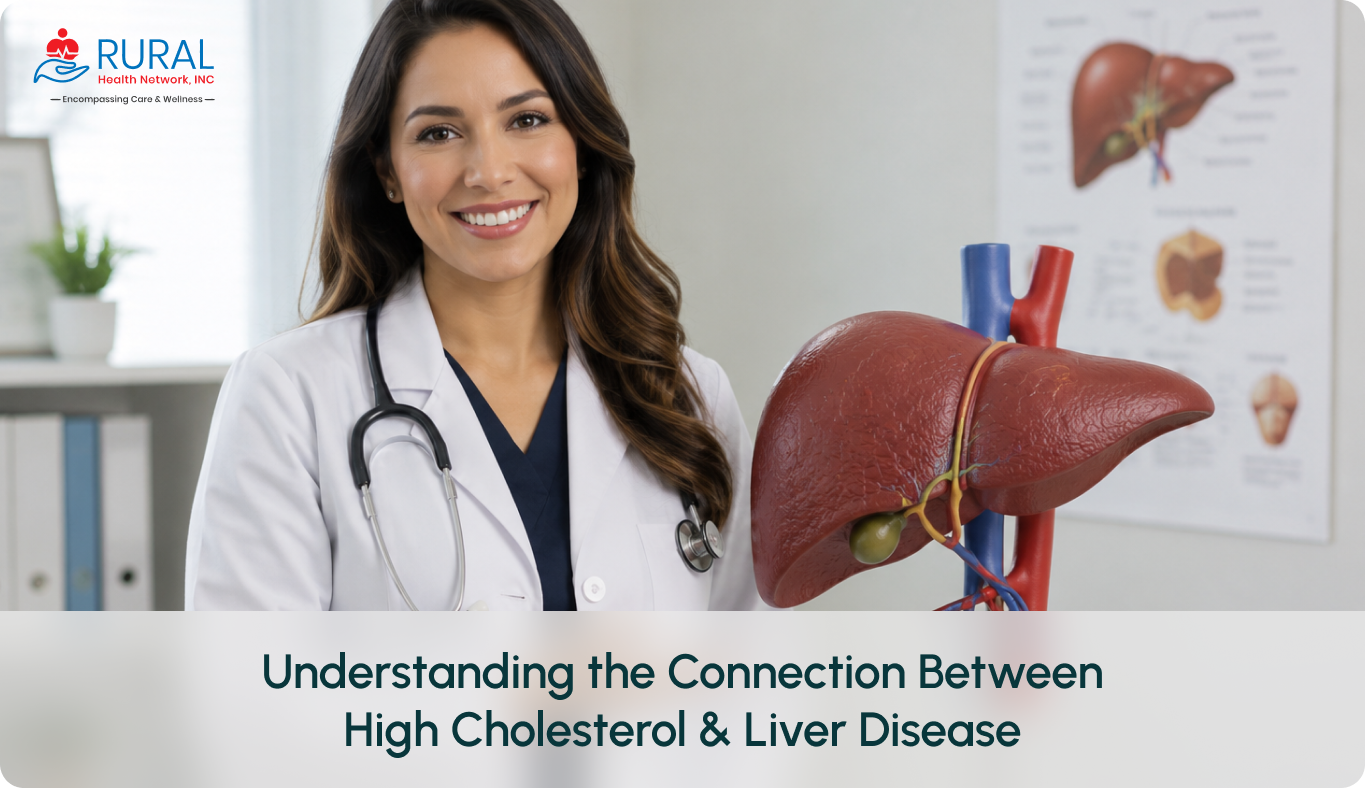
Your liver does more work than almost any organ you have, and most of it happens quietly. It filters your blood, produces bile, stores energy, and manufactures proteins your body can’t function without. It also handles cholesterol at nearly every stage: it makes it, sends it into the bloodstream, and clears it when levels climb.
That last job is where things get complicated. High cholesterol and liver disease frequently show up in the same patients, and once both are present, each tends to make the other harder to manage. Neither one announces itself early, which is what makes the pairing worth understanding before symptoms arrive.
This guide covers what high cholesterol means, what liver disease looks like, how the two are connected, and what you can do about it.
What Does High Cholesterol Mean?
In the United States, close to 25 million adults have total cholesterol levels exceeding 240 mg/dL. Cholesterol has a bad reputation it only partly deserves. Your body needs it to build hormones, digest fats, and maintain cell structure, and your liver produces it on its own. Because fat and blood don’t mix, cholesterol travels through your bloodstream attached to proteins, forming lipoproteins.
There are two you’ve probably heard of. Low-density lipoprotein (LDL), the “bad” one, can accumulate along artery walls and raise your risk of heart disease. High-density lipoprotein (HDL) works in the opposite direction, and higher levels are associated with a lower risk of heart disease and stroke.
Your total blood cholesterol reflects three things: LDL, HDL, and triglycerides. So when a doctor says your cholesterol is high, they usually mean one of three specific problems: too much LDL, too little HDL, or elevated triglycerides.
The catch is that high cholesterol produces no symptoms at all. No pain, no warning signs, nothing you’d notice. The only way to find it is a blood test called a lipid panel, which is why routine screening matters more than it might seem for something you can’t feel.
What Is Liver Disease?
“Liver disease” isn’t one condition. It’s an umbrella term for anything that damages the liver or impairs its function. Some forms are common, others rare, but because the liver touches nearly every system in your body, liver problems rarely stay contained.
Common types include:
- Metabolic dysfunction-associated steatotic liver disease (MASLD): fat accumulation in the liver linked to metabolic risk factors such as obesity, high blood sugar, or abnormal cholesterol levels. This was previously called non-alcoholic fatty liver disease (NAFLD); liver societies updated the terminology in 2023
- Metabolic dysfunction-associated steatohepatitis (MASH): a more advanced stage of MASLD where inflammation and liver cell damage are also present. Formerly called NASH.
- Alcohol-related liver disease: caused by long-term heavy drinking.
- MetALD: a newer category for people who have MASLD and also drink significantly.
- Hepatitis: viral or otherwise.
- Cirrhosis: advanced scarring that can result from any of the above.
How Are Cholesterol and Liver Health Connected?
The liver both produces cholesterol and clears LDL particles out of the bloodstream. That dual role is why trouble in one area tends to spill into the other.
When fat starts accumulating in the liver, its efficiency drops and inflammation can set in. An inflamed liver clears LDL less effectively, so cholesterol levels rise. Higher circulating lipid levels can then contribute to greater fat accumulation in the liver, which further reduces its ability to manage cholesterol.
It’s worth being precise about what this does and doesn’t mean. High cholesterol doesn’t straightforwardly cause liver disease, and liver disease doesn’t straightforwardly cause high cholesterol. The two share underlying drivers, particularly obesity and insulin resistance, and once both are present, each can worsen the other. That’s why treating them as related rather than separate problems tends to work better.
Shared Risk Factors
Certain factors raise your risk for both conditions at once:
- Obesity
- Type 2 diabetes or insulin resistance
- A sedentary lifestyle
- Diets high in saturated fat, refined sugar, and processed foods
- Heavy or long-term alcohol use
- Family history of high cholesterol or liver disease
- Metabolic syndrome
If overlooked, these factors raise the risk of serious, sometimes life-altering conditions. This is why at Rural Health Center, we provide primary care services for your entire family.
Signs and Symptoms to Watch For
Both conditions are good at staying hidden. By the time symptoms appear, some damage may already have occurred.
High cholesterol has no symptoms. None. Routine blood work is the only way to catch it.
Liver disease gives more warning, though the signs are easy to dismiss:
- Persistent fatigue
- Dull pain in the upper right abdomen
- Unexplained weight loss or loss of appetite
- Yellowing of the skin or eyes (jaundice)
- Swelling in the abdomen or legs
- Dark urine or pale stools
These tend to show up late in the process, which is the argument for testing rather than waiting.
How Doctors Diagnose the Problem
Diagnosis usually starts with a conversation about your symptoms, health history, eating and drinking habits, and activity level. From there, your provider may order:
- Blood tests to check liver function and cholesterol levels
- Imaging tests, such as ultrasound or elastography
- A liver biopsy, in some cases, to assess the extent of damage
Together, these help identify whether liver disease is present and how far it has progressed.
Can Liver Disease Be Reversed?
Early fatty liver disease is often reversible, particularly before scarring begins. Improvements in diet, activity level, and alcohol intake can meaningfully improve liver health, and even MASH, which involves active inflammation, can improve with early intervention.
Once scarring progresses to cirrhosis, the picture changes. Scar tissue doesn’t convert back to healthy liver tissue, so that damage is generally permanent. Further progression can often be slowed or stopped with treatment, but the earlier the stage, the more ground can be recovered. Managing cholesterol and metabolic health stays relevant at every stage.
When Should You See a Healthcare Provider?
Rather than waiting for symptoms, talk to a provider if you:
- Haven’t had a cholesterol or liver enzyme check in several years
- Have risk conditions such as obesity, diabetes, or a family history of liver or heart disease
- Notice persistent fatigue, abdominal discomfort, or unexplained digestive changes
- Notice yellowing of the skin or eyes, swelling, or dark urine
- Drink alcohol heavily or regularly
- Have already been diagnosed with high cholesterol or fatty liver but haven’t had follow-up testing
Both conditions can progress silently for years, so catching abnormal results during your annual wellness exams gives you the widest range of options.
Treatment and Lifestyle Changes
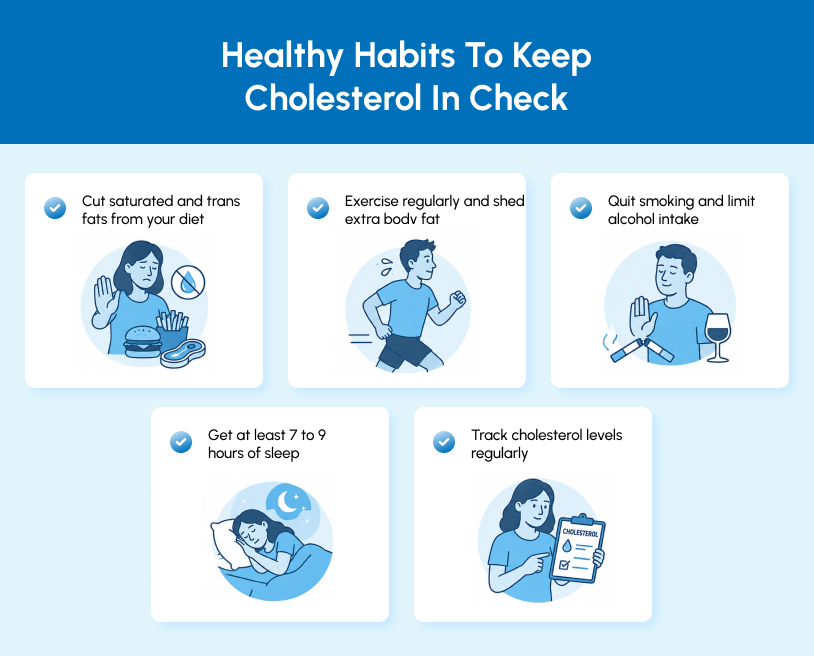
Because the two conditions share root causes, the habits that support liver health tend to improve cholesterol as well:
- Eating a diet lower in saturated fat, refined sugar, and processed foods
- Getting regular physical activity
- Reaching and maintaining a weight that’s healthy for you
- Reducing or eliminating alcohol, depending on your situation and your provider’s guidance
At more advanced stages of liver disease, treatment shifts toward medication and closer monitoring of complications.
The Bottom Line
Cholesterol and liver health often move together and respond to many of the same changes. Regular screening, a balanced diet, physical activity, and careful attention to alcohol intake all protect both your liver and your cardiovascular system.
If you have risk factors for either condition, a simple blood test can catch a problem while it’s still manageable. Book an appointment with Rural Health Network for a screening.