

We all want to see our children grow up healthy, happy, and thriving. From their first smiles to those wobbly first steps, every milestone is a moment worth celebrating.
Children develop at their own unique pace, but you may wonder whether or not they’re on the right track. In those moments of uncertainty, your pediatrician can be your trusted partner in ensuring your child ticks all the boxes in their physical, emotional, and cognitive development.
For families in rural communities, accessing specialized pediatric help can be a challenge. At Rural Health Network, we’re here to bridge that gap. Our team is always ready to provide the support and resources you need, so no milestone is missed and every concern is heard.
Got Any Questions or Concerns?
What Are Child Growth and Development Milestones?
Child growth and development milestones are age-specific skills and behaviors that most children achieve as they grow. These milestones include physical growth, communication skills, social interactions, emotional development, and cognitive abilities. Pediatricians use milestones to monitor a child’s overall health and identify potential developmental concerns early.
Child Growth vs. Child Development: Understanding the Difference
Although child growth and development are closely connected, they measure different aspects of a child’s health.
| Child Growth | Child Development |
| Physical changes in height, weight, and body size | Learning, communication, behavior, and social skills |
| Measured using growth charts | Evaluated through developmental milestones |
| Focuses on physical health | Focuses on cognitive, emotional, and motor development |
| Monitored during routine checkups | Assessed through developmental screenings |
| Tracks how the body grows | Tracks how children learn and interact with the world |
Both child growth and development are essential indicators of overall health. Monitoring both allows pediatricians to identify concerns early and provide guidance that supports healthy childhood development.
Developmental Milestones by Age
Let’s look at the common milestones you can expect to see as your child grows. Take note: These are general guidelines, not strict deadlines.
| Age Range | What to Watch For |
| Infancy (0–12 months) | Smiling, rolling over, sitting up, babbling, crawling |
| Toddlerhood (1–3 years) | First steps, first words, feeding self, showing independence, potty training |
| Preschool (3–5 years) | Speaking in sentences, playing with others, learning colors/shapes, drawing simple figures |
| School Age (5+ years) | Reading skills, following rules, making friends, problem-solving, improved coordination |
One child may start talking earlier, while another may be quick to run and climb. Both are normal!
If you notice anything out of the ordinary or something significantly concerning, getting regular pediatric check-ups can give you answers and an expert action plan. If you see signs of developmental delays—such as not babbling by 12 months, difficulty walking by 18 months, or limited eye contact—your pediatrician can spot these early and recommend the best steps to take or provide referrals to specialists.
Understanding Developmental Delays in Children
A developmental delay occurs when a child does not reach expected milestones within a typical age range. Delays can affect speech and language, motor skills, learning abilities, social interactions, or emotional development. While every child grows and develops at their own pace, significant delays may require additional evaluation and support.
Common developmental delays include:
Speech and Language Delays
Children may have difficulty speaking, understanding language, or communicating with others. Signs can include limited vocabulary, delayed speech, or trouble following simple instructions.
Motor Skill Delays
Motor delays affect movement and coordination. Children may have difficulty sitting, crawling, walking, grasping objects, or performing age-appropriate physical activities.
Social and Emotional Delays
Some children may struggle with social interactions, maintaining eye contact, expressing emotions, or participating in group activities.
Cognitive and Learning Delays
These delays can affect a child’s ability to process information, solve problems, remember instructions, or develop academic skills.
Early identification is one of the most important factors in helping children overcome developmental challenges. Regular pediatric checkups and developmental screenings can help detect concerns early and connect families with appropriate support services.
Your Pediatrician’s Role in Tracking Growth and Development
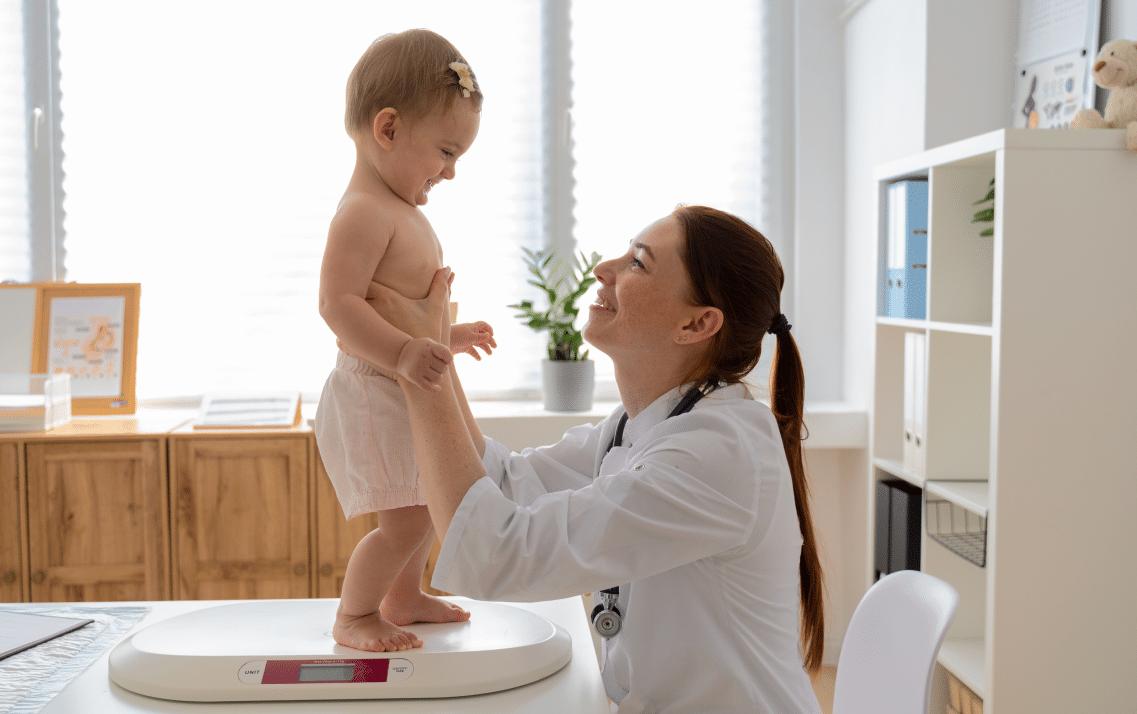
While parents know their children best, it can be hard to tell whether their behavior is a phase or a sign of something more. When you have a pediatrician, they bring medical expertise, objective tools, and a trained eye to let you know exactly what’s going on regarding your child’s growth and development.
How does your pediatrician track your child’s progress? They usually focus on three primary areas.
Well-Child Visits
- Examine height, weight, and head circumference.
- Track growth and health progress with growth charts and BMI.
- Provide advice and guidance on everyday concerns like nutrition, sleep, and behavior.
Developmental Screenings
- Use tools like the Ages & Stages Questionnaire (ASQ) or the Modified Checklist for Autism in Toddlers (M-CHAT).
- Compare results against age-based norms without judgment.
- Offer reassurance or recommend follow-up if anything needs closer attention.
Early Detection and Support
- Spot potential issues early to prevent escalation.
- Connect families with specialists or therapy options as needed.
- Develop a personalized plan with your input to support your child’s unique needs.
What Can Parents Do Between Visits?
Your pediatrician may guide you during check–ups, but you play the most important role in your child’s day-to-day life. Fortunately enough, keeping track of your child’s growth and supporting their development isn’t all that complicated. Here are a few ways you can help:
Keep a Milestone Journal
Write down when your child achieves a new skill like rolling over, saying new words, or drawing their first picture. This helps your pediatrician see progress over time and immediately address any problems they may notice.
Pay Attention to Playtime
Playtime is learning in action. Observe how your child uses toys, solves puzzles, or joins group play. These moments reveal a lot about problem-solving, coordination, and physical development.
Encourage Communication
Talk, read, and sing to your child regularly. Celebrate every attempt at a new sound or word. The more you engage, the more confident they’ll become in expressing themselves.
Observe Daily Routines
Everyday activities like mealtime, bedtime, and getting dressed can show you how your child is developing motor skills, independence, and emotional regulation. Look for steady progress, no matter how small.
Speak Up About Concerns
Trust your instincts. If something feels off, call your pediatrician. No concern is too small, and early conversations can make a big difference.
Common Red Flags Parents Shouldn’t Ignore
No two children develop at exactly the same rate, and a little variation is completely normal. Still, certain developmental problems may indicate that your child needs extra support. Keep an eye on these:
| Speech and Communication | Motor Skills |
| No babbling by 12 months | Not rolling over by 6 months |
| No single words by 18 months | Trouble walking by 18 months |
| Limited eye contact or doesn’t respond to their name | Persistent clumsiness or difficulty using hands |
| Social and Emotional Skills | Loss of Skills |
| Not smiling by 3 months | Suddenly stops using words they have already learned |
| Avoids interaction with others | Regression in motor skills (like no longer walking after they’ve started) |
| Shows little interest in play or shared activities | Any sudden in decline in abilities or behavior |
If you notice any of these signs, discussing them with your pediatrician is the best step you can take.
Support Your Children’s Health and Development with Rural Health Network
Raising children comes with a mix of joy and worry, and sometimes families in rural areas don’t always have easy access to the care and support they need. When it comes to our little ones, we want to make sure they have nothing but the best.
When you need the right experts in your corner, you can count on Rural Health Network to guide you through each stage of your child’s development with our:
Child-Centered Expertise
Our pediatric specialists will focus on your child’s unique health needs in an environment designed to make them feel comfortable, safe, and cared for.
Well-Baby and Child Checkups
We offer routine checkups to track growth, spot concerns early, and celebrate milestones in every aspect of their emotional and developmental progress.
Guidance for Parents
Parents are the most important part of a child’s care team. That’s why we share knowledge, answer questions, and provide ongoing support so you feel confident in every decision you make for your child.
Every milestone is worth celebrating, and every question deserves an answer. Together, we can give our children the best start in life because when our kids thrive, our whole community will, too.
Key Takeaways for Parents
Tracking child growth and development is one of the most effective ways to support your child’s long-term health and well-being. While every child reaches developmental milestones at their own pace, regular monitoring helps identify potential concerns early.
Remember these important points:
- Every child develops differently, and small variations are often normal.
- Developmental milestones help track physical, emotional, social, and cognitive progress.
- Regular pediatric checkups and developmental screenings provide valuable insights into your child’s health.
- Parents play a critical role in supporting healthy child growth and development through daily interactions and observation.
- Early intervention can improve outcomes for children experiencing developmental delays.
Concerned about your child’s growth or development? The pediatric team at Rural Health Network provides well-child visits, developmental screenings, and personalized care to help children thrive at every stage of life.
Build Your Child’s Foundation for Success