

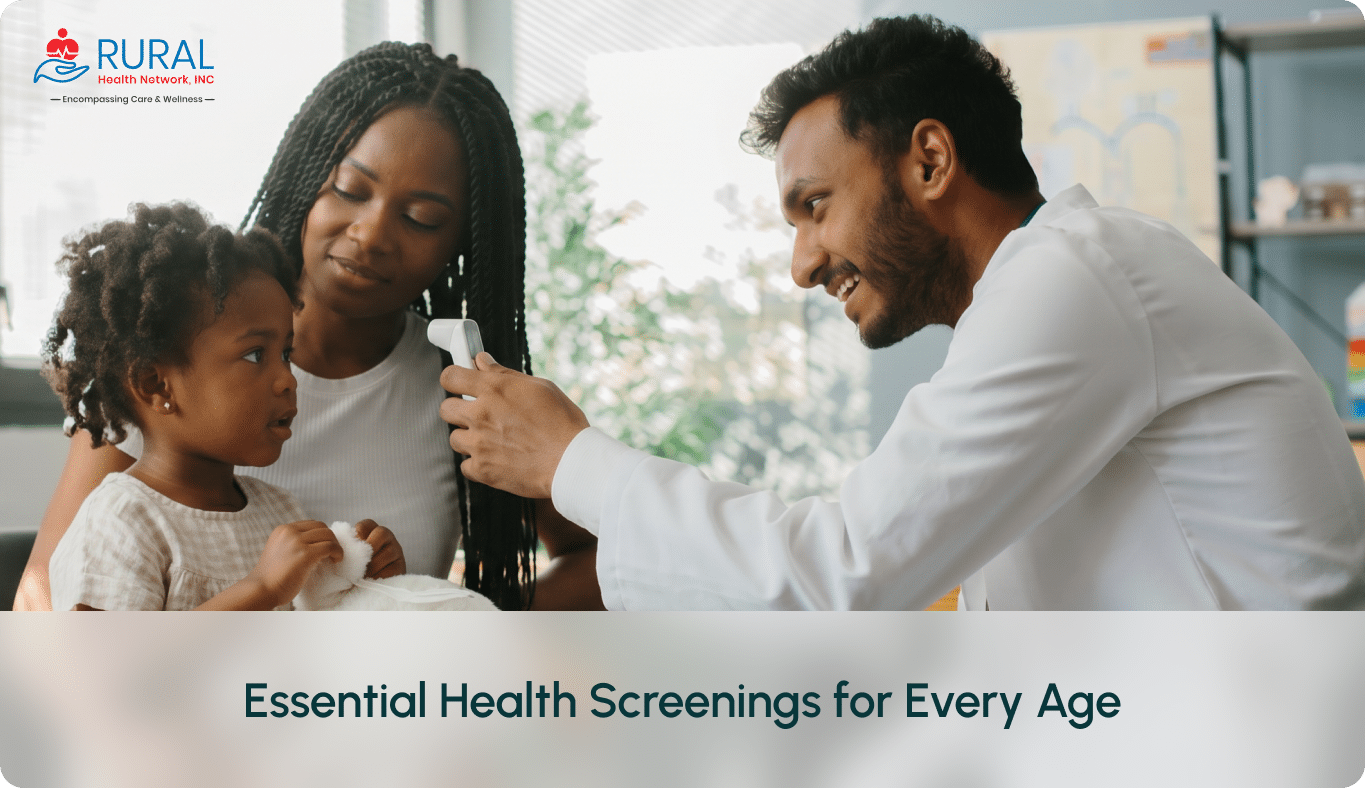
Your family’s health is one of your most valuable assets, and regular health screenings by age are essential for protecting it. While busy schedules often make it tempting to delay routine checkups, preventive health screenings can detect potential health issues before they become serious problems.
Whether you’re caring for a newborn, supporting a teenager, managing your own health, or helping an aging parent, routine screenings play a critical role in maintaining wellness and supporting chronic condition management.
At Rural Health Network, we provide comprehensive family health screenings and preventive care services designed to help every member of your family stay healthy at every stage of life.
Give Your Family the Gift of Preventive Care
Why Preventive Health Screenings Matter
Routine preventive health screenings help healthcare providers:
- Detect health concerns early
- Monitor chronic conditions effectively
- Develop personalized treatment plans
- Reduce healthcare costs through prevention
- Improve long-term health outcomes
- Provide peace of mind for families
The earlier a health issue is identified, the more treatment options may be available and the better the potential outcomes.
Infancy and Early Childhood: Building a Healthy Foundation
The first years of life are critical for growth and development. Routine children’s health screenings help identify developmental concerns, genetic conditions, and health risks early when treatment can be most effective.
Just as a strong foundation is crucial for a house, your child’s early years set the stage for lifelong health. Let’s explore the essential health screenings that help your little one thrive.
Essential Health Screenings for Infants and Young Children
Why They Matter: These tests catch rare and severe conditions when early treatment can make the most significant difference.
| Metabolic Screening | Genetic Screening | Hearing Tests |
| Tests for 30+ rare conditions | Checks for inherited conditions | Completed before hospital discharge |
| Simple heel prick blood test | Helps plan early intervention | Identifies hearing issues early |
| Usually done within the first 48 hours | Can prevent serious complications | Crucial for speech development |
Growth Monitoring (Birth to Age 5)
Why They Matter: Monitoring your child’s growth helps spot any potential problems in their development:
- Height and weight checks at every well-visit
- Head circumference measurements (crucial in the first 2 years)
- Body mass index (BMI) tracking starting at age 2
- Growth chart plotting to spot trends early
Vision and Development Checkups
Why They Matter: These help identify potential concerns with sight or delayed milestones.
| Vision Screenings | Developmental Assessments |
| Basic tests at birth | Motor skills evaluation |
| Regular checks at 6 months, 12 months, 3 years | Speech and language monitoring |
| Complete eye exam before starting school | Social interaction and behavioral development tracking |
Remember!
If administered on time, your child’s immunizations will act as their first line of defense against severe diseases like polio, measles, and whooping cough.
Teen Health Screenings: Supporting Physical and Mental Well-Being
Teenagers experience rapid growth, hormonal changes, and increasing social pressures. Regular health screenings help ensure healthy development while addressing physical, emotional, and behavioral health concerns.
| Physical Development Checks | Why It Matters |
| Annual vision tests | Catches changes that might affect learning |
| Regular hearing screenings | Essential for social development and education |
| Scoliosis screening | Identifies spinal curvature or other orthopedic concerns during growth spurts |
| Nutritional and anemia checks | Monitors for deficiencies, especially if your teen has dietary restrictions |
Mental Health Screenings for Adolescents
Mental health is an essential component of overall wellness. Early identification of anxiety, depression, stress, and behavioral challenges can help teens receive appropriate support and intervention before issues become more serious.
Adolescence can be as challenging emotionally as it is physically. Globally, one in seven children between 10 and 19 suffer from mental health conditions, which remain largely unrecognized and untreated.
Regular mental health checks are important for spotting signs of anxiety, depression, or stress. This should cover:
- Emotional well-being
- Social relationships
- Academic pressure
- Sleep patterns
- Stress management
- Screen time habits
Tip: Sometimes, teens hesitate to express their concerns. Create a safe space where they feel comfortable expressing themselves, and you can help them open up and understand their struggles better.
Adult Health Screenings: Managing Risks Before They Become Problems
As adults balance careers, family responsibilities, and personal commitments, preventive healthcare often gets pushed aside. However, regular health screenings for adults can identify risk factors for chronic diseases before symptoms appear.
Common screenings may include:
- Blood pressure checks
- Cholesterol testing
- Blood glucose screening
- Cancer screenings
- Mental health assessments
- Routine wellness exams
Moving from the teenage years into adulthood brings new health considerations.
| Test | Purpose |
| Blood pressure | Prevents cardiovascular issues |
| Cholesterol | Monitors heart health |
| Diabetes screening | Catches pre-diabetes early |
| Skin cancer check | Identifies concerning changes |
| Dental exam | Maintains oral health |
| Eye exam | Updates vision needs |
| Kidney function test | Checks kidney health and filtration |
Why Gender-Specific Testing Matters
Due to biological differences, hormonal variations, and distinct reproductive systems, men and women face different health risks and require specialized screenings.
Women’s Health Screenings
| Test | Purpose |
| Pap smear | Detects cervical cancer |
| Mammogram | Screens for breast cancer |
| Pelvic exam | Checks reproductive health |
| Bone density | Monitors osteoporosis risk |
| Iron levels | Prevents anemia |
Men’s Health Screenings
| Test | Purpose |
| Prostate exam | Screens for prostate issues |
| Testosterone levels | Checks hormonal balance |
| Abdominal aortic ultrasound | Checks for aneurysms |
| Testicular exam | Detects early changes |
Adulthood often means juggling work, family, and personal goals, leaving little time for self-care. However, managing stress and achieving work-life balance are as important as physical health checks.
Here are some signs that you need a stress check:
- Persistent headaches
- Sleep problems
- Digestive issues
- Mood changes
- Fatigue
- Weight fluctuations
Tip: Schedule your annual preventive care screenings around your birthday. It’s an easy way to remember!
Managing Chronic Conditions Through Regular Screenings
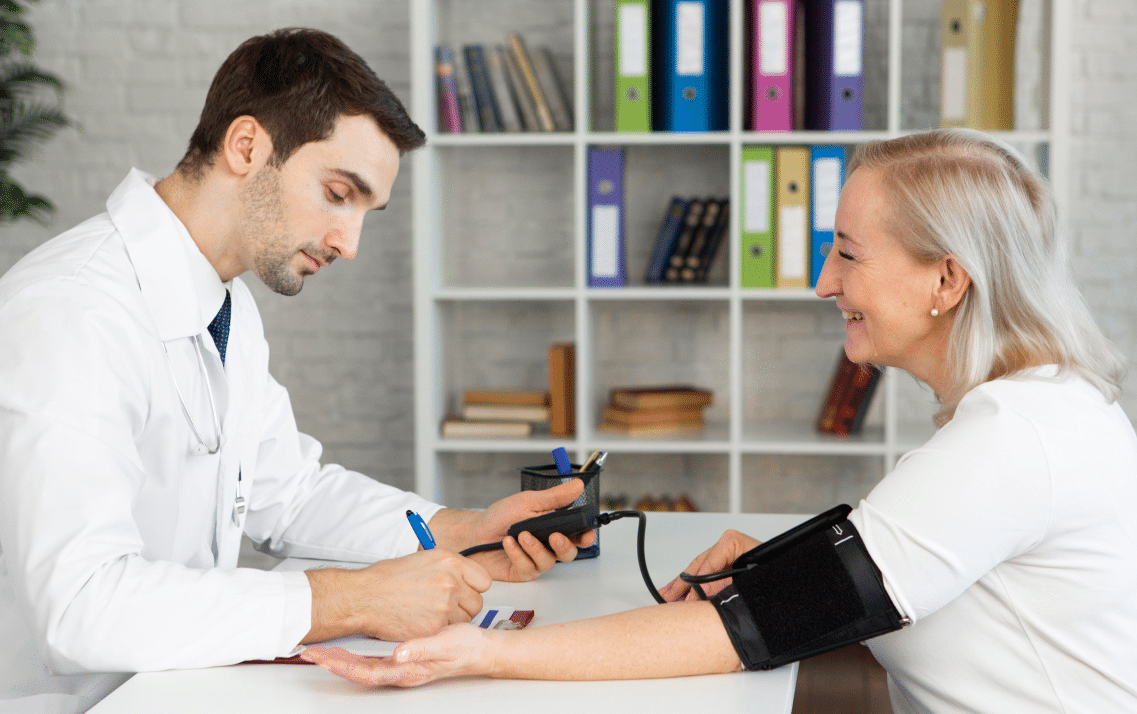
Routine screenings play a vital role in chronic condition management by helping healthcare providers monitor disease progression, adjust treatments, and prevent complications.
Regular testing is particularly important for individuals managing:
- Diabetes
- Hypertension
- Heart disease
- Asthma
- COPD
- Kidney disease
Consistent monitoring helps improve health outcomes and quality of life while reducing hospitalizations and emergency care needs.
Senior Health Screenings: Supporting Healthy Aging
Regular health screenings for seniors become increasingly important as we age. Preventive testing can help detect age-related conditions early, allowing older adults to maintain independence and enjoy a higher quality of life. As we age, health needs shift, and regular screenings become even more important to maintain independence and a high quality of life. Seniors can significantly benefit from proactive healthcare with the following key tests:
| Test/Screening | Why It Matters |
| Blood pressure check | Prevents heart disease and stroke |
| Cholesterol panel | Assesses heart health; guides dietary needs |
| Bone density scan | Detects osteoporosis early; prevents fractures |
| Vision and hearing tests | Maintains independence and prevents accidents |
| Memory assessment | Catches cognitive changes early; enables timely intervention |
| HbA1c blood test | Monitors diabetes risk |
| Colorectal screening | Prevents/detects cancer early; highly treatable when caught early |
| Thyroid function | Affects energy, weight, and mood; common in aging |
These screenings help older adults stay independent, prevent unnecessary hospital visits, and enjoy their golden years with fewer health complications.
Tip: Family plays a vital role in senior health. Regular check-ins, open conversations, and simple acts like reminding them about appointments, offering rides, and more can help them feel loved and supported.
Creating a Lifelong Preventive Care Plan
Healthcare needs evolve throughout life. Establishing a preventive care routine and partnering with a trusted healthcare provider helps ensure that each family member receives age-appropriate screenings and ongoing support.
A comprehensive preventive care plan can:
- Improve long-term health outcomes
- Detect diseases earlier
- Support chronic disease management
- Reduce healthcare expenses
- Encourage healthy lifestyle habits
Tying It All Together with Rural Health Network
Partner with Rural Health Network for Comprehensive Family Care
From infancy through older adulthood, routine family health screenings are one of the most effective ways to protect your family’s health and well-being. Preventive care not only helps identify potential concerns early but also supports effective chronic condition management and healthier outcomes for every generation.
At Rural Health Network, we provide personalized care, comprehensive testing services, and ongoing health support tailored to your family’s unique needs. Our team is committed to making preventive healthcare accessible, convenient, and affordable for rural communities.
Schedule Your Family’s Health Screenings Today