

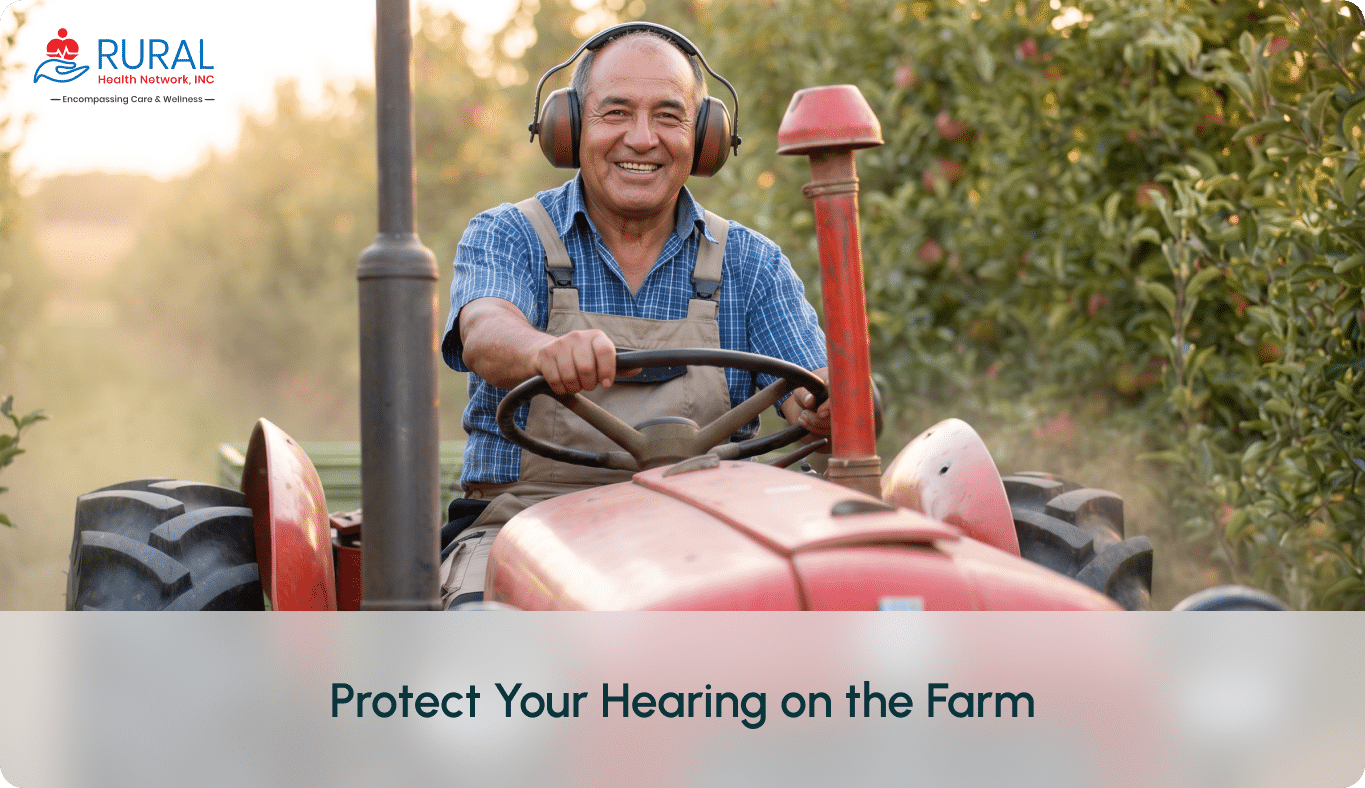
Farm work comes with many unavoidable sounds—from tractors and combines to chainsaws, grain dryers, livestock, and workshop equipment. While these sounds are part of everyday rural life, repeated exposure to loud noise can increase the risk of noise-induced hearing loss (NIHL).
For farmers and agricultural workers, hearing loss may develop gradually. You may not notice a problem until conversations become difficult, the television seems too quiet, or you begin hearing ringing or buzzing in your ears.
The good news? Noise-induced hearing loss is often preventable. Understanding which farm activities create hazardous noise and using appropriate hearing protection can help protect your hearing for years to come.
At Rural Health Community Center, we understand that protecting your health means protecting your ability to work, communicate, and stay connected with your family and community.
Protect your hearing today so you can continue enjoying the sounds that matter most tomorrow.
Why Are Farmers at Risk for Hearing Loss?
Farmers and agricultural workers can experience frequent exposure to loud machinery and equipment. Unlike a single loud event, repeated exposure over months or years can gradually damage the delicate structures inside the ear.
Common sources of hazardous farm noise include:
- Tractors and combines
- Chainsaws
- Grain dryers
- Power tools
- Livestock
- ATVs and recreational vehicles
- Lawn and landscaping equipment
- Generators
- Shop and repair equipment
The risk depends on how loud the sound is, how close you are to the source, and how long you are exposed.
When Does Noise Become Dangerous?
As a general occupational-health guideline, repeated exposure to noise at or above 85 decibels (dBA) can pose a risk to hearing, particularly when exposure lasts for extended periods.
| Noise Source | Approximate Noise Level |
| Normal conversation | 60 dBA |
| Lawn mower | 85–90 dBA |
| Farm equipment | 85–100+ dBA |
| Workshop power tools | 90–100+ dBA |
| Chainsaw | Around 100–110 dBA |
| Some livestock sounds at close range | 100+ dBA |
Actual noise levels vary depending on the equipment, distance, operating conditions, and whether the machinery is enclosed or muffled.
A simple rule: If you need to raise your voice to communicate with someone standing about an arm’s length away, the environment may be loud enough to require hearing protection.
How Does Loud Farm Equipment Cause Hearing Loss?
Inside your ear are tiny sensory cells that help convert sound vibrations into signals your brain can understand. Excessive noise can damage these cells.
Unlike many other cells in the body, damaged sensory cells in the inner ear generally do not grow back. This means noise-induced hearing loss can be permanent.
There are two common patterns of noise-related hearing damage:
Gradual Hearing Loss
Repeated exposure to loud farm machinery can slowly reduce your ability to hear certain sounds. Because the change happens gradually, you may not recognize it at first.
Sudden Hearing Damage
Extremely loud sounds, such as explosions or other intense noise occurring close to the ear, can cause immediate hearing damage.
Even if your hearing seems normal afterward, sudden loud-noise exposure can warrant a professional hearing evaluation.
Early Signs of Hearing Loss
Hearing loss does not always begin with obvious difficulty hearing. Watch for these early warning signs:
- Frequently asking people to repeat themselves
- Turning the television or radio volume higher than others prefer
- Difficulty understanding conversations in noisy environments
- Trouble hearing someone who is speaking from another room
- Missing phone calls, alarms, or doorbells
- Feeling that people are mumbling
- Difficulty understanding speech when you cannot see the speaker’s face
- Avoiding conversations or social activities because hearing is difficult
- Experiencing ringing, buzzing, humming, or other sounds in your ears
What Does Tinnitus Have to Do With Hearing Loss?
Tinnitus is the perception of ringing, buzzing, humming, or other sounds when there is no external sound source.
Tinnitus can occur after exposure to loud noise and may occur with hearing loss. Persistent tinnitus should be discussed with a healthcare professional, particularly if it is new, bothersome, or occurs along with sudden changes in hearing.
If you have noticed changes in your hearing, don’t simply assume they are a normal part of aging or an unavoidable part of farm work.
7 Ways Farmers Can Prevent Noise-Induced Hearing Loss
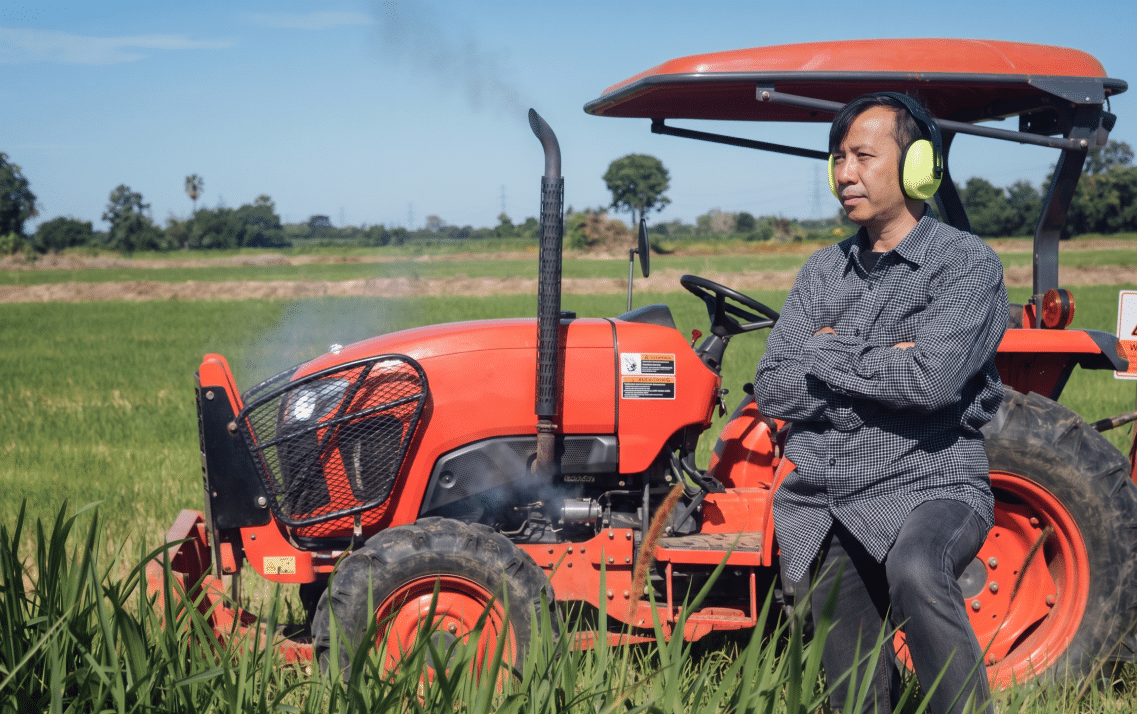
Protecting your hearing does not have to interfere with your work. A few consistent habits can significantly reduce your exposure to hazardous noise.
1. Wear Hearing Protection Around Loud Equipment
Use appropriate hearing protection whenever you are exposed to loud machinery.
Common options include:
| Hearing Protection | Best Used For |
| Earplugs | Machinery, mowing, and other noisy tasks |
| Earmuffs | Longer periods around loud equipment |
| Canal caps | Short-duration tasks |
| Custom-molded protection | Frequent or extended use |
Look for hearing protectors with an appropriate Noise Reduction Rating (NRR) and follow the manufacturer’s instructions for proper use.
For particularly loud environments, using earplugs and earmuffs together may provide additional protection.
2. Increase Your Distance From Loud Machinery
Noise decreases as you move farther away from its source.
Whenever practical:
- Avoid standing unnecessarily close to running machinery.
- Move away from equipment during periods when you do not need to be nearby.
- Keep bystanders away from particularly noisy operations.
- Use remote controls or enclosed cabs when available.
Even a small increase in distance can reduce your exposure.
3. Use Enclosed Cabs When Available
Modern tractor and agricultural equipment cabs can reduce exposure to outside noise.
Keep cab doors and windows closed when operating loud equipment, especially when the cab is designed to provide noise reduction.
Regularly inspect:
- Door seals
- Window seals
- Cab insulation
- Mufflers
- Exhaust systems
4. Maintain Farm Equipment
Poorly maintained machinery can become unnecessarily noisy.
Add noise-related checks to your regular maintenance routine:
- Inspect mufflers and exhaust systems.
- Look for loose or damaged components.
- Lubricate moving parts.
- Replace worn parts.
- Check belts and fans.
- Remove debris from equipment.
- Repair unusual rattling, grinding, or squealing sounds.
Equipment maintenance can improve both workplace safety and machine performance.
5. Limit the Amount of Time You Spend Around Loud Noise
Noise exposure is influenced by both volume and duration.
If you must work around loud equipment:
- Take breaks away from the noise.
- Rotate tasks when possible.
- Avoid unnecessary exposure.
- Plan particularly noisy activities when fewer people are nearby.
- Use hearing protection consistently rather than only when the noise “feels” uncomfortable.
Remember: Noise does not have to hurt your ears to damage your hearing.
6. Reduce Noise at the Source
You can also make your workspace quieter by reducing vibration and sound transmission.
In the Workshop
- Use vibration-reducing mats under machinery.
- Install sound-absorbing materials where appropriate.
- Keep machinery properly maintained.
- Separate particularly noisy equipment from quieter work areas.
Around the Farm
- Create designated areas for noisy activities.
- Keep unnecessary personnel away from loud equipment.
- Use physical barriers where practical.
- Consider the placement of machinery when planning work areas.
7. Get Your Hearing Checked
Regular hearing evaluations can help identify changes that you may not notice yourself.
A healthcare professional can assess your hearing and determine whether additional evaluation or treatment is appropriate.
If you regularly work around loud machinery, discuss your occupational noise exposure with your healthcare provider and ask how frequently your hearing should be evaluated.
You can also learn more about preventive care through routine wellness exams.
Hearing Protection: What Farmers Should Know
Choosing hearing protection is only part of the solution. Proper fit and consistent use are equally important.
When selecting hearing protection:
- Choose protection appropriate for the noise level.
- Follow the manufacturer’s fitting instructions.
- Make sure earplugs form a proper seal.
- Keep reusable hearing protectors clean.
- Replace damaged or worn protection.
- Consider dual protection for extremely loud environments.
If you are unsure which type of hearing protection is appropriate for your work, ask a healthcare professional or occupational-safety specialist.
When Should You Get a Hearing Test?
There is no single hearing-screening schedule that is appropriate for everyone.
Your healthcare provider may consider factors such as:
- Your age
- Your occupational noise exposure
- Previous hearing test results
- Family history
- Existing hearing symptoms
- Tinnitus
- History of significant noise exposure
People who work in environments with hazardous occupational noise may need regular workplace hearing testing as part of an occupational hearing-conservation program.
Do not wait for significant hearing loss before seeking help. If you notice persistent ringing, difficulty understanding speech, or a sudden change in hearing, schedule an evaluation.
Hearing Loss and Your Quality of Life
Hearing is about more than simply detecting sound.
Untreated hearing difficulties can make it harder to:
- Communicate with family members
- Hear warning signals and alarms
- Follow conversations
- Participate in social activities
- Communicate safely while working
- Enjoy hobbies and outdoor activities
For farmers, good hearing can also contribute to workplace safety. Being able to hear equipment, alarms, vehicles, coworkers, and other environmental sounds can help you remain aware of your surroundings.
If you are also managing other health concerns, maintaining regular preventive care is important. For example, farmers can benefit from understanding the importance of diabetes care for farmers and maintaining regular family medicine visits.
Healthy Hearing Starts With Preventive Care
Your hearing helps you work safely, communicate with the people you love, and enjoy the everyday sounds of rural life.
Whether you’re operating a tractor, repairing equipment in the workshop, mowing the property, or using a chainsaw, hearing protection should be part of your everyday safety routine.
At Rural Health Community Center, we are committed to providing accessible healthcare for rural families and communities. Our team can help you stay on top of preventive care and determine when additional evaluation may be appropriate.
Explore our healthcare services or contact Rural Health Community Center to learn more about your care options.
For more practical health information, visit our health and wellness blog.
Protect your ears. Protect your livelihood. Protect the sounds that matter most.
Key Takeaway
The best way to prevent hearing loss from farm equipment is to reduce noise exposure, wear appropriate hearing protection, maintain noisy machinery, and seek regular hearing evaluations when recommended.