

Seasonal allergies affect millions of people every year, causing symptoms that range from mild irritation to significant disruptions in daily life. Sneezing, itchy eyes, congestion, and fatigue can make outdoor activities, work, and even restful sleep more difficult.
For people living in rural communities, allergy season often brings additional challenges. Exposure to pollen from trees, grasses, crops, weeds, and mold spores is typically higher due to increased outdoor activity and agricultural environments.
Fortunately, seasonal allergies can be managed effectively with preventive measures, early symptom recognition, and support from healthcare professionals. Understanding what triggers allergies and how to reduce exposure can help you stay healthy and active throughout the year.
Keep Your Home Allergy Ready
What Are Seasonal Allergies?
Seasonal allergies, also known as allergic rhinitis or hay fever, occur when the immune system reacts to airborne allergens such as pollen and mold spores. When exposed to these substances, the body releases histamines and other chemicals that trigger allergy symptoms.
Unlike year-round allergies, seasonal allergies tend to occur during specific times of the year when plants release pollen.
Common Seasonal Allergy Sources
- Tree pollen: Most common during spring
- Grass pollen: Peaks in late spring and summer
- Weed pollen: Common during late summer and fall
- Mold spores: Thrive in damp or humid conditions
Understanding when allergens are most active can help you prepare before symptoms begin.
Seasonal Allergy Symptoms to Watch For
Recognizing seasonal allergy symptoms early allows you to take action before they interfere with daily activities.
Common signs of seasonal allergies include:
- Sneezing: sudden or frequent, especially after being outdoors
- Runny or stuffy nose: congestion or constant need to blow your nose
- Itchy or watery eyes: irritation that makes blinking or focusing uncomfortable
- Scratchy throat: caused by pollen or airborne allergens
- Fatigue or headaches: often from nasal congestion or disrupted sleep
Many allergy symptoms can resemble those of a common cold. However, allergies typically do not cause fever and often persist as long as exposure to allergens continues.
Why Seasonal Allergies Can Be Worse in Rural Areas
People living in rural environments often experience higher exposure to allergy triggers due to their surroundings and daily activities.
- Increased Exposure to Outdoor Allergens: Agricultural fields, grasslands, forests, and open spaces produce large amounts of pollen that can travel long distances through the air.
- Farming and Outdoor Work: Activities such as farming, gardening, landscaping, and outdoor recreation increase contact with allergens throughout the day.
- Environmental Conditions: Windy weather, dry conditions, and seasonal crop activity can spread pollen, dust, and mold spores, making symptoms more severe.
- Limited Indoor Air Control: Older homes and agricultural buildings may allow more allergens indoors, increasing exposure even after outdoor activities.
Common Triggers of Seasonal Allergies and Why They Occur
Understanding seasonal allergy causes helps individuals take preventive measures throughout the year.
Tree Pollen (March–May)
Trees release pollen during spring as part of their reproductive cycle. Common allergy-triggering trees include:
- Oak
- Maple
- Birch
- Cedar
- Elm
Symptoms often begin as temperatures warm and trees start blooming.
Grass Pollen (May–July)
Grass pollen is one of the most common causes of seasonal allergies during late spring and summer.
Common sources include:
- Bermuda grass
- Timothy grass
- Kentucky bluegrass
- Ryegrass
Outdoor activities during mowing season may worsen symptoms.
Weed Pollen (August–October)
Weeds release pollen later in the year and can affect individuals well into fall.
Common allergy-producing weeds include:
- Ragweed
- Pigweed
- Sagebrush
- Tumbleweed
Even a small amount of ragweed pollen can trigger significant allergic reactions.
Mold Spores
Mold grows in moist environments and can become airborne when disturbed.
Common rural sources include:
- Damp soil
- Barns
- Compost piles
- Leaf piles
- Basements
- Areas affected by rainfall
Weather Changes
Weather plays a major role in allergy severity:
- Wind spreads pollen over large distances.
- Dry conditions increase airborne allergens.
- Rain may temporarily reduce pollen but can encourage mold growth afterward.
By knowing the types of seasonal allergies and when they occur, residents can take proactive steps to reduce exposure, planning activities accordingly to stay comfortable throughout the year.
Practical Tips to Prevent Seasonal Allergies
Taking steps to prevent seasonal allergies helps you stay comfortable while enjoying the outdoors. Even small changes in daily routines can reduce exposure to pollen, mold, and other allergens common in rural areas.
Preventing exposure to allergens is one of the most effective ways to minimize symptoms.
Outdoor Allergy Prevention Tips
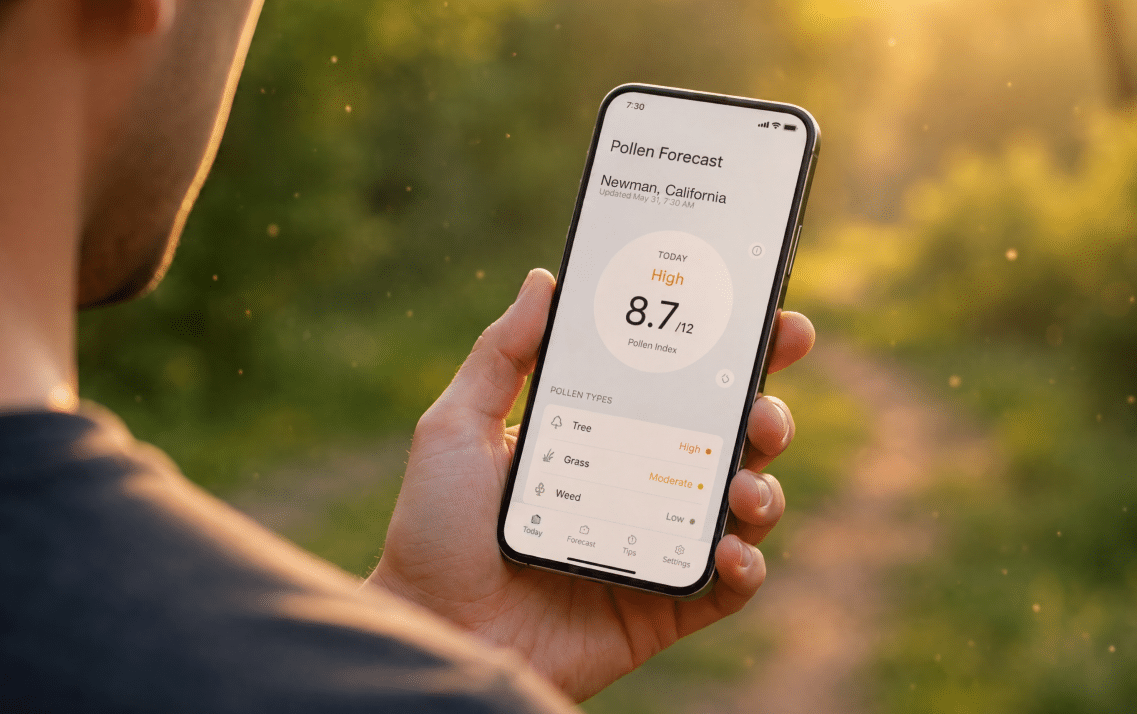
- Monitor Pollen Counts: Check local pollen forecasts before spending extended time outdoors.
- Avoid Peak Pollen Hours: Pollen levels are generally highest early morning and dry, windy days. Schedule outdoor activities later in the day whenever possible.
- Wear Protective Gear: Consider sunglasses, wide-brimmed hats, and face masks during high-pollen periods. These barriers can reduce direct exposure.
How to Allergy-Proof Your Home
Creating a cleaner indoor environment can significantly reduce allergy symptoms.
- Keep Windows Closed: During high-pollen days, use air conditioning instead of opening windows.
- Clean Frequently: Regularly dust surfaces, vacuum carpets, mop floors, and wipe furniture.
- Replace Air Filters: Clean HVAC filters and air purifiers help remove airborne allergens.
- Control Indoor Humidity: Keeping humidity levels balanced can help prevent mold growth.
Personal Habits That Reduce Allergy Symptoms
Small daily habits can make a big difference during allergy season.
- Shower After Outdoor Activities: Pollen can accumulate on hair, skin, and clothing. Showering removes allergens before they spread indoors.
- Change Clothes Immediately: Changing clothes after spending time outdoors helps reduce allergen exposure throughout the home.
- Wash Bedding Weekly: Pollen and dust can collect on sheets and pillowcases, leading to nighttime symptoms.
Seasonal Allergy Treatment and Symptom Relief
Even with preventive measures, symptoms may still occur. Early management can reduce discomfort and prevent symptoms from worsening.
Over-the-Counter Antihistamines
Antihistamines may help relieve:
- Sneezing
- Itching
- Runny nose
- Watery eyes
Always follow medication instructions and consult your healthcare provider if needed.
Saline Nasal Rinses
Saline sprays and rinses help clear allergens from nasal passages and reduce congestion.
Stay Hydrated
Drinking plenty of water helps thin mucus and supports overall health.
Prioritize Rest
Adequate sleep helps the immune system function effectively and may reduce symptom severity.
Avoid Known Triggers
When pollen counts are high, limiting outdoor exposure can help prevent flare-ups.
The Importance of Preventive Care for Seasonal Allergies
Preventive healthcare plays a key role in managing allergies and maintaining overall wellness.
Early intervention can help:
- Identify recurring allergy patterns
- Reduce symptom severity
- Prevent complications
- Improve quality of life
Healthcare providers can recommend personalized allergy management strategies based on your symptoms and environment.
How Family Medicine Supports Allergy Management
Family medicine providers offer comprehensive care that supports long-term health.
Benefits of Ongoing Family Care
Providers can:
- Monitor recurring seasonal allergy symptoms
- Identify environmental triggers
- Recommend prevention strategies
- Manage related conditions such as asthma and sinus infections
- Track changes in symptoms over time
Consistent care helps create a personalized approach to allergy management.
Why Wellness Exams Matter During Allergy Season
Regular wellness exams provide an opportunity to address concerns before they become serious.
During preventive visits, healthcare providers can:
- Review allergy symptoms
- Evaluate overall health
- Discuss seasonal risk factors
- Provide prevention guidance
- Monitor chronic respiratory conditions
Routine checkups help individuals stay proactive about their health throughout every season.
Stay Ahead of Seasonal Allergies Year-Round
Seasonal allergies are common, but they do not have to interfere with your daily life. Understanding seasonal allergy symptoms, causes, and triggers allows you to take preventive steps before symptoms become severe.
Simple actions such as monitoring pollen levels, reducing allergen exposure, maintaining a clean home environment, and seeking preventive healthcare can make a significant difference.
With support from family medicine providers and regular wellness exams, rural residents can better manage allergies, stay active, and enjoy every season with greater comfort and confidence.
Healthy Families Start with Preventive Care