

The International Diabetes Federation estimates that 537 million suffer from diabetes in 2021. Of this, 90% have Type 2 diabetes. Amidst the global diabetes crisis, a lesser-known yet critical condition — prediabetes — offers a rare window of opportunity to prevent the disease from developing.
Prediabetes is a health condition that often goes unnoticed. It’s a critical warning sign, yet most people dismiss its symptoms or never get tested at all.
In Stanislaus County, 12% of adults have diabetes, above California’s state average. Understanding and addressing prediabetes has never been more important.
What Does Prediabetes Mean?
Prediabetes is characterized by blood sugar (glucose) levels that are higher than normal but not yet high enough to qualify as Type 2 diabetes.
| Blood Sugar Status | Fasting Level (mg/dL) | Risk |
| Normal | 70 – 99 | Low |
| Prediabetes | 100 – 125 | Moderate |
| Type 2 Diabetes | 126 or above | High |
It’s a warning sign that your pancreas is starting to struggle. The pancreas releases insulin, the hormone that helps body cells absorb glucose. Once the pancreas can no longer produce enough insulin, the condition becomes Type 2 diabetes.
The good news: if detected early, prediabetes can be reversed through lifestyle changes.
Who Is Most at Risk?
According to the CDC, approximately 96 million American adults — more than 1 in 3 — have prediabetes, and more than 80% don’t know it. This makes routine screening essential, especially for those with risk factors like obesity, family history, or a sedentary lifestyle.
Health Risks of Prediabetes
Without the proper treatment, a prediabetic individual faces a higher risk of severe health complications such as:
Without proper management, prediabetes raises the risk of serious complications:
1. Cardiovascular disease
Elevated glucose levels damage blood vessels and nerves, leading to poor circulation, elevated blood pressure, and a higher risk of stroke and heart disease.
2. Kidney disease
The kidneys regulate blood pressure, filter waste, and maintain electrolyte balance. Over time, high blood sugar overburdens these organs, causing chronic kidney disease and eventually kidney failure.
3. Eye and nerve damage
Excess sugar weakens blood vessels in the eyes, leading to diabetic retinopathy — which can progress from blurred vision to total vision loss. Similarly, neuropathy causes pain, numbness, and poor balance, primarily in the hands and feet.
4. Metabolic syndrome
Prediabetes frequently occurs alongside high blood pressure, high cholesterol, and obesity — a cluster known as metabolic syndrome. This combination affects mobility, energy, sleep, and emotional wellbeing.
5. Increased risk of certain cancers
Emerging research links chronically elevated blood sugar and insulin resistance to an increased risk of certain cancers, including pancreatic, liver, and colorectal cancers. This makes early intervention even more critical.
Signs of Prediabetes
Prediabetes is often symptom-free, but watch for these signs:
- Blurred vision
- Fatigue or persistent tiredness
- Slow healing of cuts and wounds
- Tingling or numbness in hands or feet
- Increased thirst and frequent urination
- Dark, velvety skin patches (acanthosis nigricans) in the armpits or neck
- Unexplained weight gain, particularly around the abdomen added
- Frequent infections (e.g., skin, gum, or urinary)
What Causes Prediabetes?
The exact cause of prediabetes remains unknown, but several factors have been identified to increase its chances, including:
- Family history of Type 2 Diabetes
- Obesity or being overweight, particularly when the weight is mainly around the abdomen
- Lack of exercise or a sedentary lifestyle which contributes to weight gain and affects how your body uses insulin
- Consumption of high amounts of sugar and processed foods, combined with a sedentary lifestyle
- Age, particularly as you get older, although it’s increasingly seen in younger people due to rising obesity rates
- Polycystic ovary syndrome (PCOS), high blood pressure, and abnormal cholesterol levels
- History of gestational diabetes
- Certain ethnic backgrounds (South Asian, Black, Hispanic/Latino, and Native American communities face higher risk)
How is Prediabetes Diagnosed?
The U.S. Preventive Services Task Force recommends screening for overweight individuals aged 35 and above, even without symptoms. Tests include:
| Test | Method | Prediabetes Range |
| Fasting Plasma Glucose (FPG) | Blood draw after 8–10 hr fast | 100 – 125 mg/dL |
| Oral Glucose Tolerance (OGTT) | Blood draw 2 hrs after sugary drink | 140 – 199 mg/dL |
| Hemoglobin A1c | Average blood sugar over 2–3 months | 5.7% – 6.4% |
How often should you be tested?
If your results are normal but you have risk factors, the American Diabetes Association recommends re-testing every 1–3 years. If results are in the prediabetes range, annual testing is recommended to monitor progression.
How to Treat Prediabetes

Prediabetes is not yet the end of the road. Following the right strategies can reduce your risk and even return your blood sugar levels to normal. Lifestyle modifications, monitoring, and medical interventions stop the progression of prediabetes. Here are different lifestyle modifications and prediabetes treatments:
1. Better Food Choices
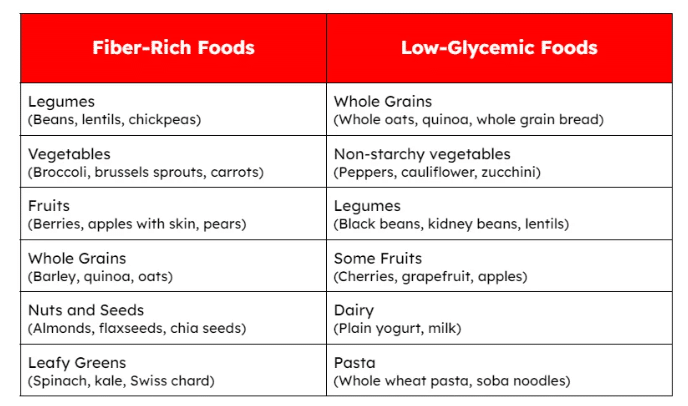
Low-glycemic foods release glucose into the bloodstream more slowly, preventing sudden spikes in blood sugar levels. Similarly, fiber-rich foods help improve blood sugar control by slowing the absorption of sugar. Together, these dietary choices help stabilize blood sugar levels, reduce hunger, and ultimately support the body in returning blood sugar levels to a normal range.
Add more of these foods to your daily meals:
2. Control Portion Sizes
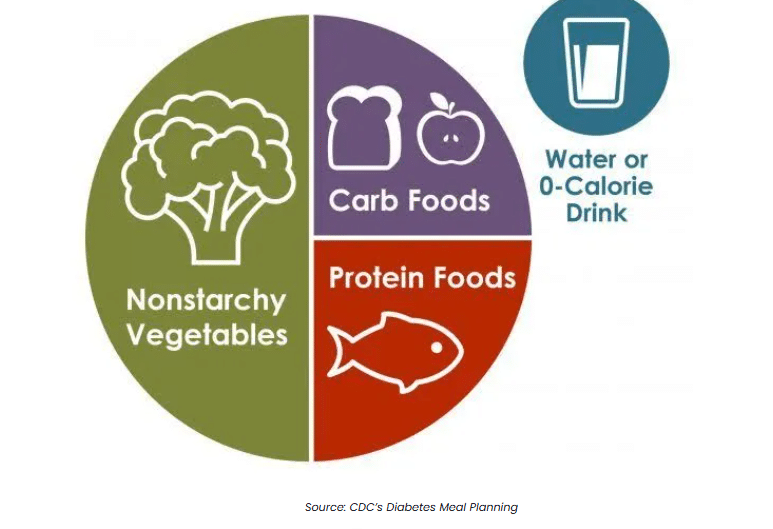
Controlling portion sizes is crucial for managing prediabetes because it prevents excessive calorie intake and blood sugar spikes. The Centers for Disease Control and Prevention’s plate method provides a simple, visual way to ensure proper portion size. Use a 9-inch dinner plate and fill it with the following recommended portions.
- 1/2 of the plate should consist of non-starchy vegetables (green vegetables, carrots, cauliflower).
- 1/4 of the plate should contain lean proteins (turkey, chicken, tofu, eggs, and beans).
- 1/4 of the plate should include carbs (brown rice, sweet potato, legumes, grains).
Choose water or a low-calorie drink to pair with your meal. You must count a glass of milk as a carb food.
Source: CDC’s Diabetes Meal Planning
3. Increased Physical Activity
Regular exercise is vital for managing prediabetes because it improves insulin sensitivity and normalizes blood sugar levels. Aim for a mix of:
- Aerobic Exercise: Do activities like walking, running, cycling, and swimming for at least 150 minutes per week.
- Resistance Training: Do strength training exercises at least twice weekly to build muscle mass and improve overall metabolism.
4. Weight Management
Losing at least 5-10% of body weight can significantly improve overweight people’s blood sugar levels and insulin sensitivity. Weight loss strategies should be sustainable and focus on long-term changes rather than quick fixes.
Aim for a weight loss of 1—2 pounds per week. You can achieve this by maintaining a calorie deficit or consuming fewer calories than you burn. Calorie deficit forces the body to use stored fat for energy, resulting in weight reduction.
Use a food diary or an app to monitor your eating habits, physical activity, and weight over time.
5. Regular Monitoring
Regular blood sugar monitoring can help track the effectiveness of lifestyle changes and ensure that your levels remain within the target range. Our healthcare providers at Rural Health Network recommend routine A1c tests to monitor your average blood sugar over several months.
6. Sleep and Stress Management
Since prediabetes and fatigue are closely related, prioritizing good sleeping habits to improve energy is essential. Poor sleep raises cortisol levels, which in turn, makes the body less responsive to insulin, complicating blood sugar management. Get at least 7 to 9 hours of quality sleep per night and use stress-reduction techniques such as meditation, yoga, or deep breathing exercises.
7. Quit Smoking
Smoking contributes to insulin resistance and significantly raises the risk of Type 2 diabetes. If you smoke, quitting is one of the most impactful steps you can take for blood sugar management. Speak with your doctor about cessation support resources.
8. Regular Check-Ups
Regular visits to our doctors at Rural Health Network for blood sugar monitoring are essential. These check-ups help track the effectiveness of lifestyle changes and adjust strategies as needed. Healthcare providers also offer valuable guidance on managing prediabetes. They will recommend specific dietary changes and exercise plans tailored to you. Some doctors will even refer you to specialists such as dietitians for further support.
9. Medication
While lifestyle changes are the first line of defense in treating prediabetes, some individuals may require medicines to manage their blood sugar levels if their condition does not improve. Doctors commonly prescribe Metformin to lower glucose production in the liver and improve insulin sensitivity. Healthcare providers may also prescribe other medications to manage blood sugar levels, cholesterol, or high blood pressure.
10. Diabetes Prevention Programs (DPP)
The CDC-recognized National Diabetes Prevention Program (DPP) is a structured, evidence-based lifestyle program that has been shown to reduce the risk of developing Type 2 diabetes by up to 58% in people with prediabetes. Ask your healthcare provider if you qualify for a local or online DPP program.
Prediabetes Treatment in Newman, California
If you or a loved one has diabetes or is at risk of prediabetes, it’s important to take action as soon as possible.
At Rural Health Network, Inc., we’re here to help you every step of the way. Our chronic care management service enables you to manage your health effectively. Whether you need to control your blood sugar levels, improve your diet, or get the proper medical interventions, our doctors and healthcare staff are ready to support you.
Remember, identifying health issues early on gives you a chance to turn things around before it’s too late. Your path to better health and wellness begins here. For more information, message us online or call (209) 862-3604.
FAQs
- Sugary drinks and sodas
- Candy and desserts
- White bread, white rice, and refined grains
- Processed snacks and packaged foods
- Fast food and fried foods
Instead, focus on vegetables, whole grains, lean proteins, healthy fats, and high-fiber foods.