

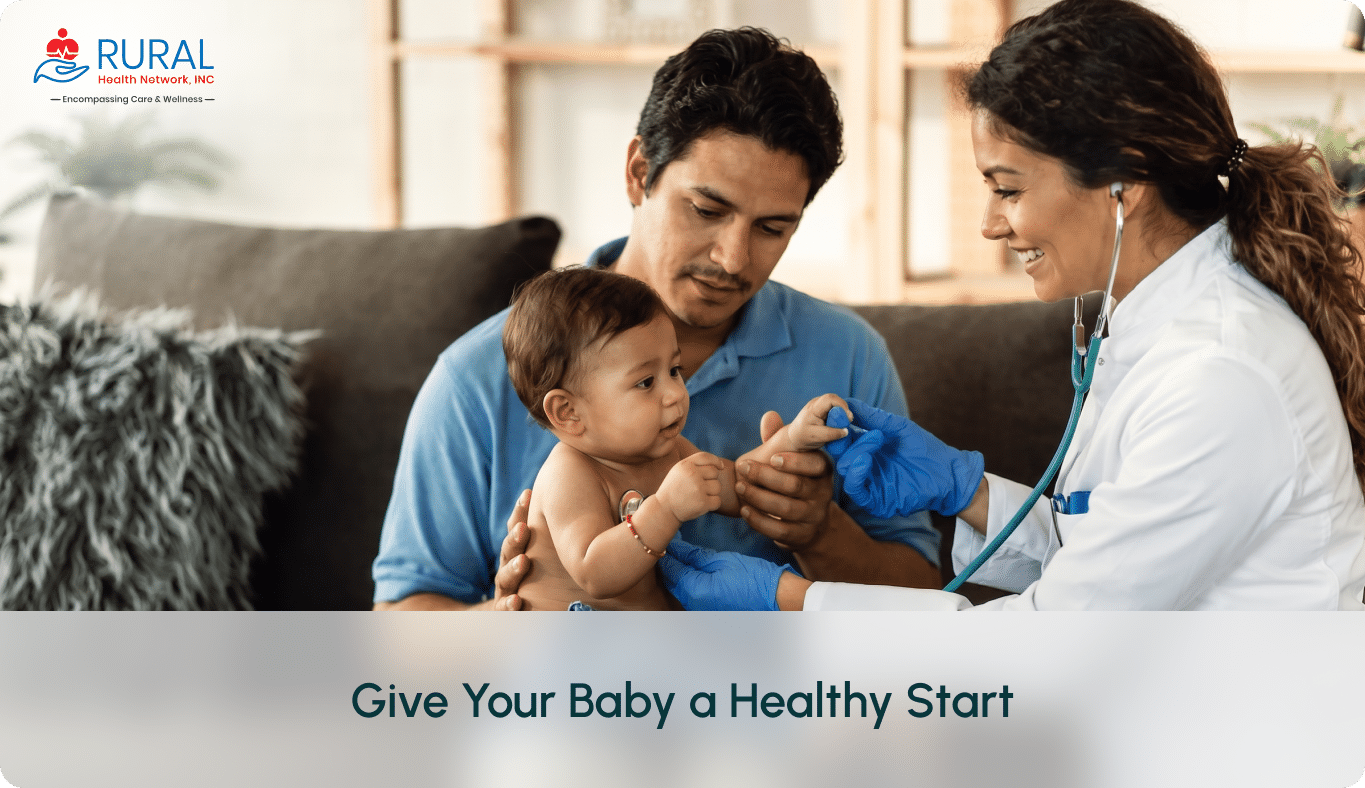
For new parents, keeping a baby healthy can feel overwhelming. Well-baby checkups provide regular opportunities to monitor your baby’s growth and development, stay up to date on recommended vaccinations, complete age-appropriate screenings, and ask questions about feeding, sleep, safety, and behavior.
These routine visits are more than physical exams. They help parents understand what to expect as their baby grows and allow healthcare providers to identify potential health or developmental concerns early.
What Are Well-Baby Checkups?
Well-baby checkups are routine preventive healthcare visits that monitor an infant’s physical growth, development, and overall health. They are scheduled at regular intervals during infancy and early childhood, with the exact timing determined by the child’s healthcare provider.
During a well-baby visit, your healthcare provider may:
- Measure your baby’s weight, length, and head circumference
- Monitor physical and developmental milestones
- Perform a physical examination
- Review feeding and nutrition
- Discuss sleep and infant behavior
- Check hearing, vision, and other age-appropriate concerns
- Provide recommended vaccinations
- Complete or recommend appropriate screenings
- Discuss injury prevention and home safety
- Answer parents’ questions about their baby’s health and development
Regular pediatric checkups for child health and development help establish a baseline for your child’s health and make it easier to identify changes over time.
Why Are Well-Baby Checkups Important?
Well-baby visits are important because they support preventive care, monitor development, and provide opportunities to identify potential health concerns early.
These appointments can help healthcare providers:
Monitor Growth
Your baby’s weight, length, and head circumference are measured during visits to monitor growth patterns over time.
Track Developmental Milestones
Your provider will assess developmental progress, including age-appropriate movement, communication, social interaction, and other skills.
If you have questions about your child’s development, our guide on how pediatricians support child development provides additional information.
Keep Vaccinations Up to Date
Routine well-child visits provide opportunities to review your child’s vaccination status and receive vaccines recommended for their age and individual health needs.
Complete Recommended Screenings
Healthcare providers may recommend screenings based on your baby’s age, development, family history, and risk factors. Learn more about pediatric health screenings for children.
Get Guidance as a New Parent
Well-baby visits give parents an opportunity to ask questions about:
- Breastfeeding or formula feeding
- Introducing solid foods
- Sleep routines
- Infant behavior
- Car-seat safety
- Childproofing
- Fever and common illnesses
- Developmental milestones
- Oral health
- Physical activity as the child grows
What Happens During a Well-Baby Checkup?
The specific assessments performed during a well-baby visit vary according to your child’s age and individual needs.
Newborn Visits and Early Infancy
Early visits focus on how your baby is adjusting after birth and whether feeding, growth, and development are progressing appropriately.
Your healthcare provider may assess:
- Weight and growth
- Feeding and nutrition
- Sleep
- Physical examination findings
- Jaundice or other newborn concerns
- Developmental progress
- Hearing and vision concerns
- Newborn screening results
- Recommended vaccinations
Parents should use these early visits to discuss any concerns about feeding, sleeping, crying, bowel movements, or other changes they have noticed.
Around 2 to 6 Months
During the first several months, healthcare providers continue monitoring growth and developmental progress.
Your baby’s healthcare provider may look for age-appropriate milestones such as:
- Improved head control
- Smiling and responding to caregivers
- Responding to sounds
- Reaching for objects
- Rolling or beginning to move
- Increasing interaction with caregivers
Recommended vaccinations are also reviewed and administered according to the current immunization schedule.
Around 9 to 12 Months
As your baby becomes more mobile and interactive, visits may focus on:
- Growth
- Motor development
- Communication
- Social interaction
- Feeding and nutrition
- Sleep
- Safety
- Age-appropriate screenings
Your healthcare provider can also discuss transitioning to new foods and ways to make the home safer as your baby becomes more mobile.
12 to 24 Months
During the second year, developmental monitoring becomes increasingly important. Your provider may assess:
- Walking and other motor skills
- Language development
- Social interaction
- Behavior
- Nutrition and eating habits
- Sleep
- Oral health
- Age-appropriate screenings
If you have concerns about speech, behavior, learning, or social development, discuss them with your child’s healthcare provider rather than waiting for the next routine visit.
What Vaccines Are Given During Well-Baby Visits?
Vaccinations are an important part of preventive pediatric care. The vaccines recommended for children change as they grow and may vary based on individual circumstances.
Common childhood vaccines include protection against illnesses such as:
- Hepatitis B
- Rotavirus
- Diphtheria, tetanus, and pertussis (DTaP)
- Haemophilus influenzae type b (Hib)
- Pneumococcal disease
- Polio
- Measles, mumps, and rubella (MMR)
- Varicella
- Influenza
Your child’s healthcare provider should follow the current recommended immunization schedule and determine which vaccines are appropriate for your child.
Parents should keep an updated vaccination record and discuss any missed or delayed doses with their pediatric healthcare provider.
What Should Parents Bring to a Well-Baby Visit?

Being prepared can make your baby’s appointment more productive.
Consider bringing:
- Your baby’s medical records
- Immunization records
- A list of medications or supplements
- Information about recent illnesses
- Questions about feeding and sleep
- Notes about developmental milestones
- Information about changes in behavior
- A list of concerns you want to discuss
It can also be helpful to keep a simple record of your baby’s feeding, sleeping, and other routines between appointments.
What Questions Should New Parents Ask at Well-Baby Visits?
There is no such thing as a question that is too small when it comes to your baby’s health.
You may want to ask:
- Is my baby growing appropriately?
- Is my baby’s development on track?
- How much should my baby be eating?
- How can I establish healthy sleep habits?
- When should I introduce new foods?
- Which vaccines are due?
- Which screenings does my baby need?
- How can I make my home safer?
- What symptoms should prompt a call to the doctor?
- Are there behaviors or developmental changes I should watch for?
Writing down questions before the appointment can help ensure that important concerns are not forgotten.
How Can Parents Prepare for a Well-Baby Checkup?
Before the Appointment
Keep track of your baby’s recent health changes, feeding patterns, sleep habits, and developmental milestones.
Bring any relevant medical and vaccination records and make a list of questions or concerns.
During the Appointment
Be open about anything you have noticed, even if it seems minor. Tell your healthcare provider about changes in feeding, sleep, behavior, bowel movements, or development.
After the Appointment
Follow your healthcare provider’s recommendations and schedule the next visit before leaving when possible.
Keep vaccination records and other health information organized so they are available at future appointments.
What Is the Difference Between a Well-Baby Visit and a Sick Visit?
A well-baby visit focuses on preventive care and routine monitoring, while a sick visit addresses a specific illness, injury, or new symptom.
A well-baby appointment may include growth monitoring, developmental assessments, vaccinations, screenings, and health guidance.
A sick visit may be needed when your baby develops symptoms such as fever, persistent vomiting, breathing difficulties, unusual lethargy, or other concerning changes.
Parents should contact their healthcare provider if they are concerned about their baby’s health rather than waiting for the next scheduled wellness visit.
When Should Parents Call the Pediatrician?
Contact your baby’s healthcare provider when you notice symptoms or changes that concern you.
Depending on your baby’s age and symptoms, these may include:
- Difficulty breathing
- Poor feeding
- Signs of dehydration
- Persistent vomiting
- Unusual sleepiness or difficulty waking
- A significant change in behavior
- Persistent or concerning fever
- Seizures
- A rash accompanied by concerning symptoms
- Any sudden or significant change in your baby’s condition
For babies, especially very young infants, parents should seek medical advice promptly when they are concerned about fever or other significant symptoms.
If your baby appears seriously ill or has severe difficulty breathing, becomes unresponsive, or shows signs of a medical emergency, seek emergency medical care immediately.
How Do Well-Baby Visits Support Long-Term Child Health?
Well-baby visits create a consistent record of your child’s growth, development, vaccinations, screenings, and health history.
Regular preventive care can also help parents identify concerns early and understand what they can do to support healthy development at home.
Learn more about the importance of regular pediatric checkups for child health and development.
Well-Baby Care at Rural Health Network
New parents don’t have to navigate every stage of childhood healthcare alone. A trusted healthcare provider can help you understand your baby’s development, recommended preventive care, vaccinations, screenings, nutrition, and safety needs.
Rural Health Network provides healthcare services for families and children in rural communities. Learn more about Family Medicine services and available healthcare resources.
You can also explore our pediatric health resources for additional information about children’s health and wellness.
For questions about available services, contact Rural Health Network.
Give Your Baby a Healthy Start
Well-baby checkups are an important part of your child’s healthcare journey. These visits help monitor growth and development, provide recommended preventive care, keep vaccinations current, and give parents an opportunity to ask questions and receive guidance.
Regular pediatric care can help give your baby a strong foundation for healthy growth and development.
If you have concerns about your baby’s health or development, don’t wait for the next scheduled appointment. Talk with your healthcare provider for personalized guidance.