

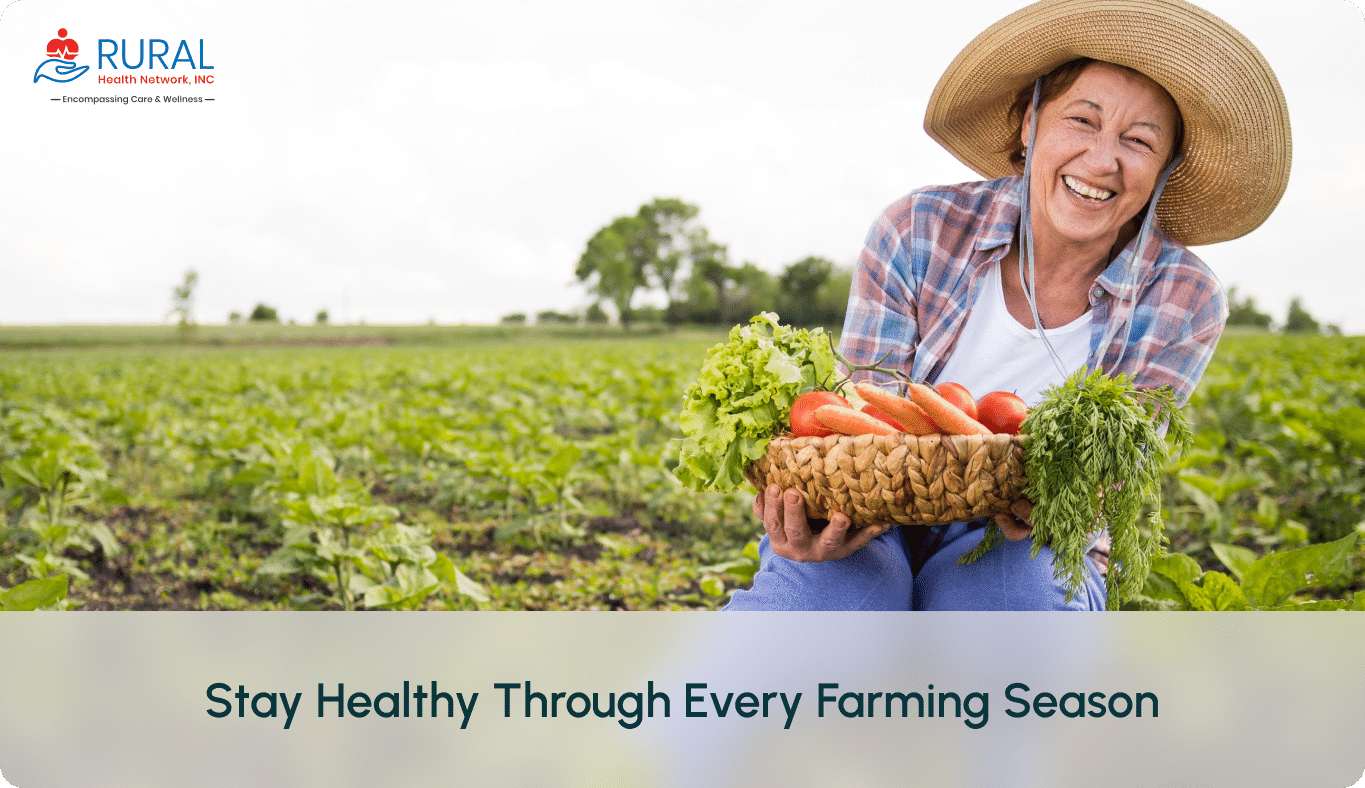
Farmers work long hours caring for crops, livestock, equipment, and land. The physical demands of farm work, combined with heat, machinery, chemicals, financial pressures, and changing weather, can create unique health and safety challenges.
The best way for farmers to protect their health is to combine preventive healthcare with practical farm safety habits. Staying hydrated, eating nutritious foods, protecting hearing and skin, using protective equipment, managing stress, and scheduling regular health checkups can help farmers stay healthy and productive throughout the year.
This guide covers the most common health risks for farmers and practical wellness tips to help protect physical and mental health.
What Are the Most Common Health Risks for Farmers?
Farmers can face several occupational and environmental health risks. Common concerns include exhaustion, musculoskeletal injuries, skin and respiratory problems, hearing loss, chemical exposure, heat-related illness, accidents, infectious diseases, and mental health challenges.
1. Exhaustion and Fatigue
Long workdays, repetitive tasks, heavy lifting, and insufficient rest can lead to physical and mental fatigue. Fatigue can slow reaction times and increase the risk of mistakes and injuries when operating machinery or working with livestock.
Farm safety tip: Schedule regular breaks, get adequate sleep, and avoid operating machinery when you are too tired to work safely.
2. Musculoskeletal Injuries
Lifting heavy objects, repetitive movements, awkward positions, and prolonged machinery use can contribute to back, shoulder, knee, and other musculoskeletal injuries.
Farmers can reduce injury risk by:
- Using proper lifting techniques
- Using tools and equipment designed to reduce physical strain
- Avoiding unnecessary repetitive movements
- Rotating tasks when possible
- Taking regular breaks
- Using mechanical assistance when lifting heavy loads
3. Skin Problems and Sun Exposure
Farmers often spend many hours outdoors, increasing exposure to ultraviolet (UV) radiation. Contact with plants, fertilizers, pesticides, and other substances can also irritate the skin.
Protect your skin by:
- Applying broad-spectrum sunscreen with SPF 30 or higher
- Wearing long-sleeved shirts and protective clothing
- Wearing a wide-brimmed hat
- Reapplying sunscreen as directed, especially after sweating
- Following proper chemical-handling procedures
- Wearing appropriate protective gloves and equipment
For additional outdoor safety guidance, see our sun safety tips for families.
4. Respiratory Problems
Farmers may regularly encounter dust, mold, animal waste, grain particles, pollen, and other airborne substances. Repeated exposure can contribute to respiratory symptoms and occupational lung conditions.
Reduce exposure by:
- Using appropriate respiratory protection when necessary
- Improving ventilation in enclosed work areas
- Following safe grain and animal-feed handling practices
- Avoiding unnecessary exposure to dust and chemical vapors
- Discussing persistent coughing, wheezing, or breathing problems with a healthcare professional
5. Hearing Loss
Tractors, combines, power tools, livestock, and other farm equipment can produce high levels of noise. Repeated exposure can contribute to permanent hearing damage.
Protect your hearing by wearing properly fitted earplugs or earmuffs when working around loud equipment. Regular hearing evaluations can also help identify hearing changes early.
6. Chemical Exposure
Pesticides, fertilizers, fuels, solvents, and other agricultural chemicals can pose health risks if they are inhaled, swallowed, or absorbed through the skin.
Farmers should:
- Read and follow product labels
- Wear recommended personal protective equipment (PPE)
- Store chemicals securely and appropriately
- Avoid eating or drinking while handling chemicals
- Wash hands thoroughly after chemical use
- Follow recommended procedures for mixing, applying, and disposing of chemicals
If significant chemical exposure occurs, seek appropriate medical or emergency assistance promptly.
7. Stress and Mental Health Challenges
Farming can involve financial uncertainty, unpredictable weather, long working hours, labor shortages, crop concerns, and social isolation. These pressures can contribute to chronic stress, anxiety, burnout, or depression.
Mental health is an important part of overall farmer wellness. Pay attention to persistent changes in mood, sleep, concentration, energy, or interest in everyday activities.
Talking with a trusted family member, friend, healthcare professional, counselor, or community support organization can be an important first step.
8. Machinery and Farm Accidents
Farm machinery can cause severe injuries when it is improperly operated or maintained. Tractors, combines, augers, power tools, and other equipment should always be operated according to manufacturer safety instructions.
Farmers should:
- Follow equipment safety procedures
- Keep machinery properly maintained
- Use guards and safety features
- Avoid loose clothing around moving equipment
- Never bypass safety mechanisms
- Keep children away from dangerous machinery
- Avoid operating equipment when fatigued or impaired
9. Animal-Related and Zoonotic Disease Risks
Farmers regularly interact with livestock and other animals, creating potential exposure to infectious diseases that can spread between animals and humans.
Reduce your risk by practicing good hygiene, using appropriate protective equipment, maintaining animal health programs, and seeking medical advice when you develop concerning symptoms after animal exposure.
10. Heat Stress
Working outdoors during hot weather can increase the risk of heat exhaustion and heatstroke.
Early warning signs of heat-related illness can include:
- Heavy sweating
- Weakness
- Dizziness
- Headache
- Nausea
- Muscle cramps
- Confusion or unusual behavior
Move to a cooler area, rest, and drink fluids when experiencing signs of heat illness. Severe symptoms such as confusion, loss of consciousness, or very high body temperature require emergency medical attention.
11. Dehydration
Farm work can increase fluid loss through sweating, especially during hot and humid conditions.
Keep water readily available and drink regularly throughout the workday rather than waiting until you become very thirsty. Farmers working for extended periods in extreme heat may need additional guidance about fluid and electrolyte replacement.
What Are the Best Wellness Tips for Farmers?
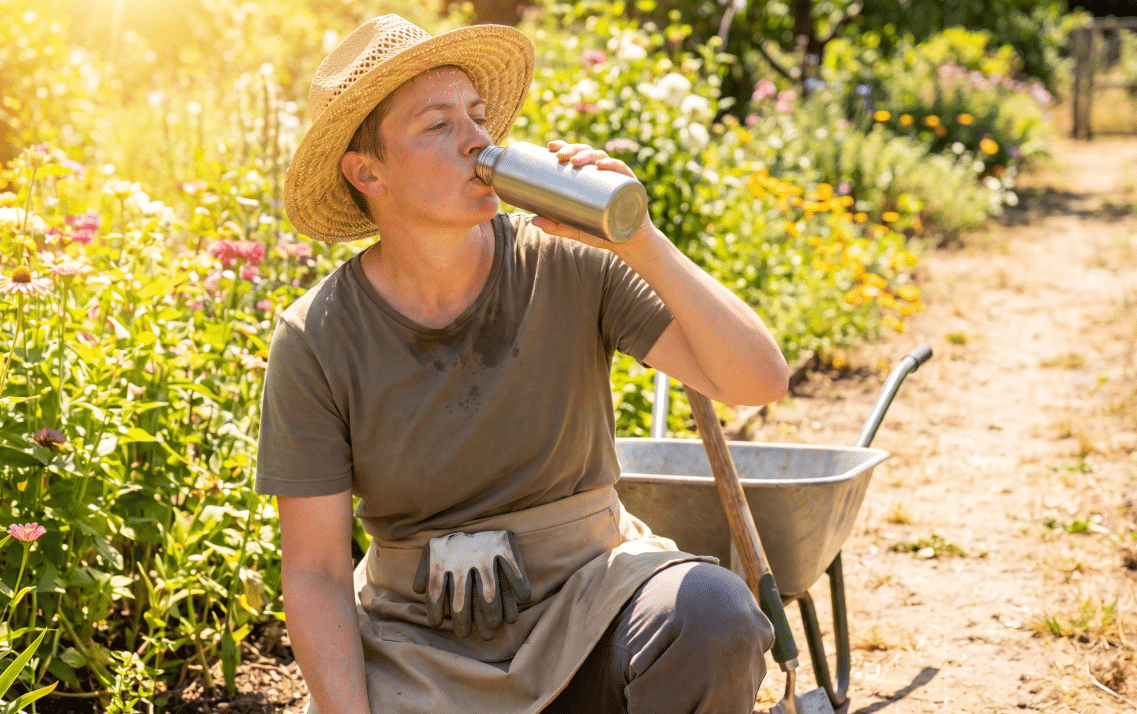
Farmers can protect their health by making preventive care and everyday safety practices part of their routine.
1. Schedule Regular Health Checkups
Regular healthcare visits can help identify health concerns early and provide an opportunity to review age- and risk-appropriate screenings, vaccinations, medications, and lifestyle habits.
Learn more about the importance of routine checkups in rural healthcare.
Farmers should also discuss occupational exposures with their healthcare provider so that relevant health concerns can be addressed.
2. Stay Hydrated
Keep water accessible throughout the workday, particularly when working outdoors in hot weather.
Good hydration practices include:
- Carrying a reusable water bottle
- Drinking water regularly
- Taking hydration breaks
- Drinking more fluids during prolonged activity and hot weather
- Monitoring yourself for signs of dehydration or heat illness
3. Eat Nutritious Foods
A balanced diet provides the energy and nutrients needed for physically demanding work.
Prioritize:
- Fruits and vegetables
- Whole grains
- Lean proteins
- Beans and other nutrient-rich foods
- Healthy fats
- Adequate fluids
Planning portable meals and healthy snacks can make it easier to maintain good nutrition during busy farming seasons.
4. Get Enough Sleep and Recovery Time
Long workdays can make rest difficult, particularly during planting and harvesting seasons. However, adequate sleep and recovery are important for concentration, physical performance, and injury prevention.
Whenever possible, establish a consistent sleep routine and build short recovery periods into demanding workdays.
5. Use Protective Equipment
Personal protective equipment can reduce exposure to common farm hazards.
Depending on the task, appropriate PPE may include:
- Work gloves
- Safety glasses
- Hearing protection
- Protective footwear
- Protective clothing
- Respiratory protection when appropriate
Always select PPE based on the specific hazard and follow the manufacturer’s instructions.
6. Protect Your Skin From the Sun
Farmers who spend significant time outdoors should make sun protection part of their daily routine. Use sunscreen, wear protective clothing, seek shade when practical, and limit direct sun exposure during the strongest sunlight periods when possible.
7. Protect Your Hearing
Use earplugs or earmuffs around tractors, combines, chainsaws, and other loud equipment. Hearing protection is especially important when noise exposure is frequent or prolonged.
8. Manage Stress Before It Becomes Overwhelming
Stress management can look different for everyone. Helpful strategies may include:
- Taking short breaks
- Practicing deep breathing
- Staying physically active
- Spending time with family and friends
- Maintaining hobbies outside of work
- Talking with someone you trust
- Seeking professional support when needed
If stress, anxiety, depression, or burnout is affecting daily life, talk with a healthcare professional.
9. Know Your Health Risks
Your age, family history, occupation, lifestyle, and existing health conditions can influence which screenings and preventive services you need.
A healthcare professional can help determine which health screenings are appropriate for different stages of life.
10. Keep Vaccinations Up to Date
Farmers may have occupational exposures that make certain vaccinations particularly important. Talk with your healthcare provider about recommended vaccines based on your age, health history, occupation, travel, and exposure risks.
Why Are Regular Health Checkups Important for Farmers?
Regular health checkups help farmers identify potential health problems early and maintain preventive care. A routine visit can provide an opportunity to discuss blood pressure, cholesterol, diabetes risk, respiratory symptoms, hearing concerns, vaccinations, mental health, and other conditions based on individual risk.
Farmers with chronic conditions should also maintain regular follow-up care. Our guide on diabetes care for farmers provides additional information about managing diabetes while dealing with the demands of farm work.
When Should Farmers See a Healthcare Professional?
Farmers should contact a healthcare professional when symptoms are persistent, worsening, or interfering with normal activities.
Seek medical attention for concerns such as:
- Persistent or worsening breathing problems
- Chest pain
- Significant hearing changes
- Repeated dizziness or fainting
- Severe or persistent pain
- Unexplained weight changes
- Symptoms following significant chemical exposure
- Signs of infection after an animal-related injury or exposure
- Persistent anxiety, depression, or overwhelming stress
- Symptoms of heat-related illness that do not improve with cooling and hydration
Serious symptoms, including severe difficulty breathing, loss of consciousness, confusion, or signs of a medical emergency, require immediate medical attention.
How Can Rural Healthcare Support Farmers?
Farmers often work in rural communities where access to healthcare can present unique challenges. Establishing a relationship with a primary care provider can make it easier to manage preventive care, chronic conditions, vaccinations, screenings, and occupational health concerns.
Family medicine services can provide comprehensive care for individuals and families across different stages of life.
Rural Health Network provides healthcare services designed to support the health needs of individuals and families in rural communities.
Protect Your Health During Every Farming Season
Farming requires dedication, physical strength, and long hours, but your health is one of your most valuable resources. Preventive healthcare, proper nutrition, hydration, adequate rest, protective equipment, safe work practices, and mental health support can help farmers stay healthier throughout the year.
Don’t wait until a health problem interferes with your ability to work. Make preventive care part of your farm routine.
Rural Health Network is committed to providing accessible, patient-centered healthcare for rural communities. Contact Rural Health Network to learn more about available healthcare services.